What are Invasive Species?
Invasive species have been a growing concern for ecologists, biologists, and land managers over the last 25 years. Invasive species are plants, animals, aquatic life, and micro-organisms that outcompete local species when introduced outside of their native environment. The Canadian Government’s 2004 Invasive Strategy identified invasives as major threats to ecosystems, the economy, human health, and society. They can come from across the province, country, or globe. Ontario’s Biodiversity strategy (2023) identifies invasive species as one of the six major threats to the biodiversity of the province. This and several other studies have identified invasive species as one of the top threats to biodiversity around the world, and they can harm the environment in several ways:
- Outcompete native species: Invasive species outcompete native species since they have no natural predators in their new environment.
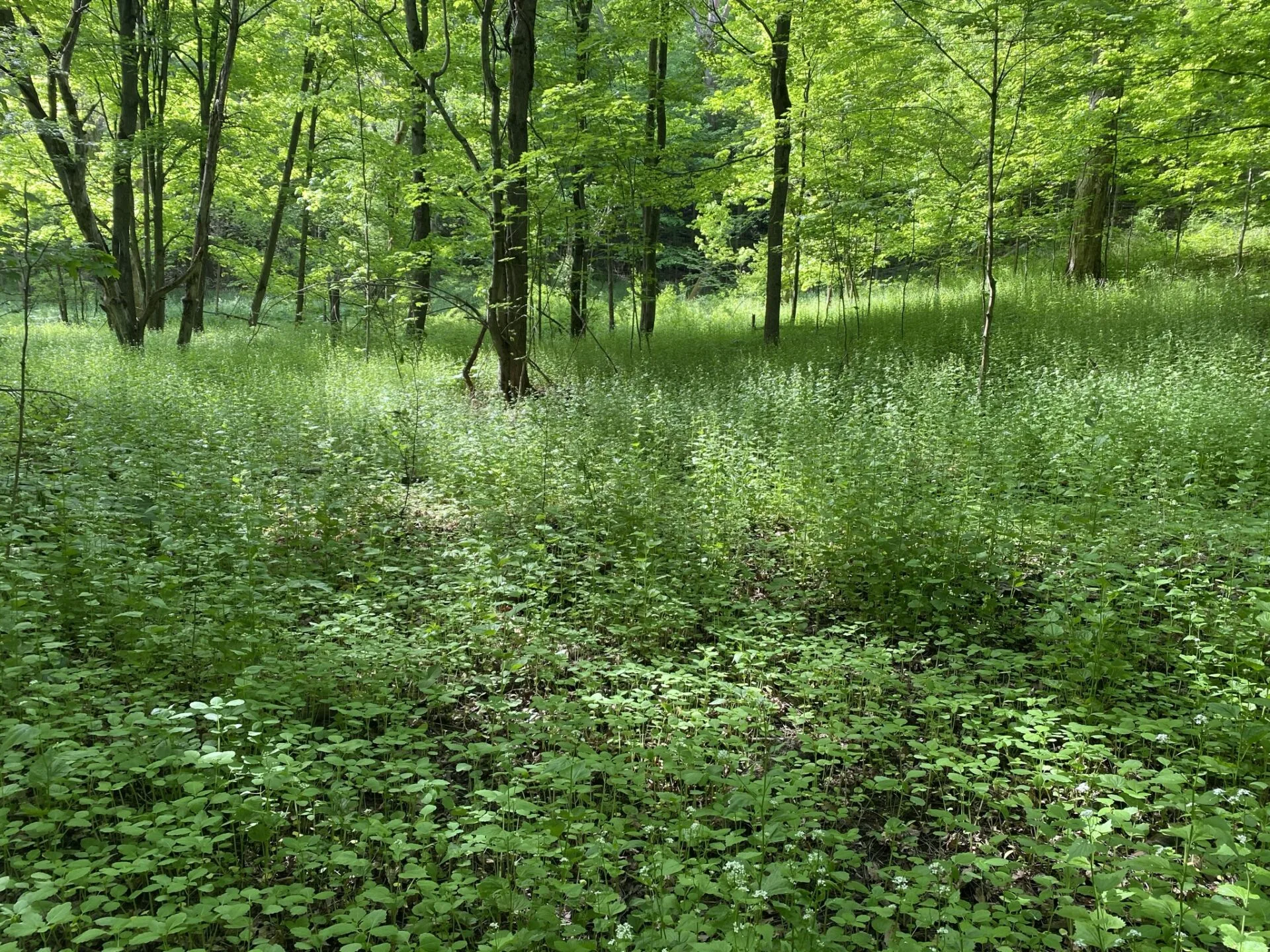
- Reduce biodiversity: Invasive species often create large populations of single plants, like goutweed. This is called a monoculture, which reduces available food and habitat for native species, like bees.
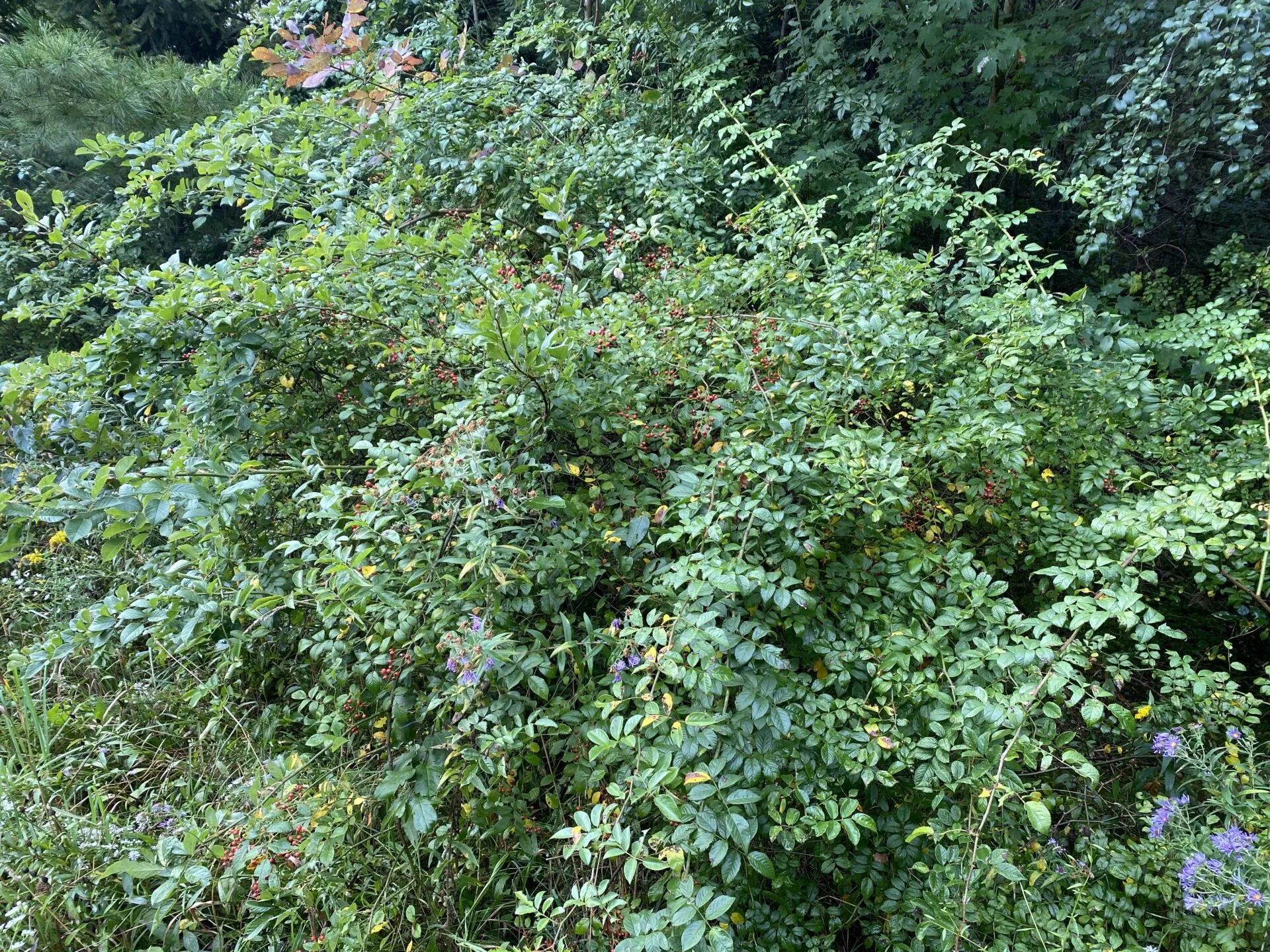
- Change the environment: Many invasive plants have specialized features to change their environment. Common buckthorn can change the soil to make it easier for them to grow. Other plants can grow leaves earlier in the spring or hold them later in the fall compared to native species, which allows them to have a longer growing season.
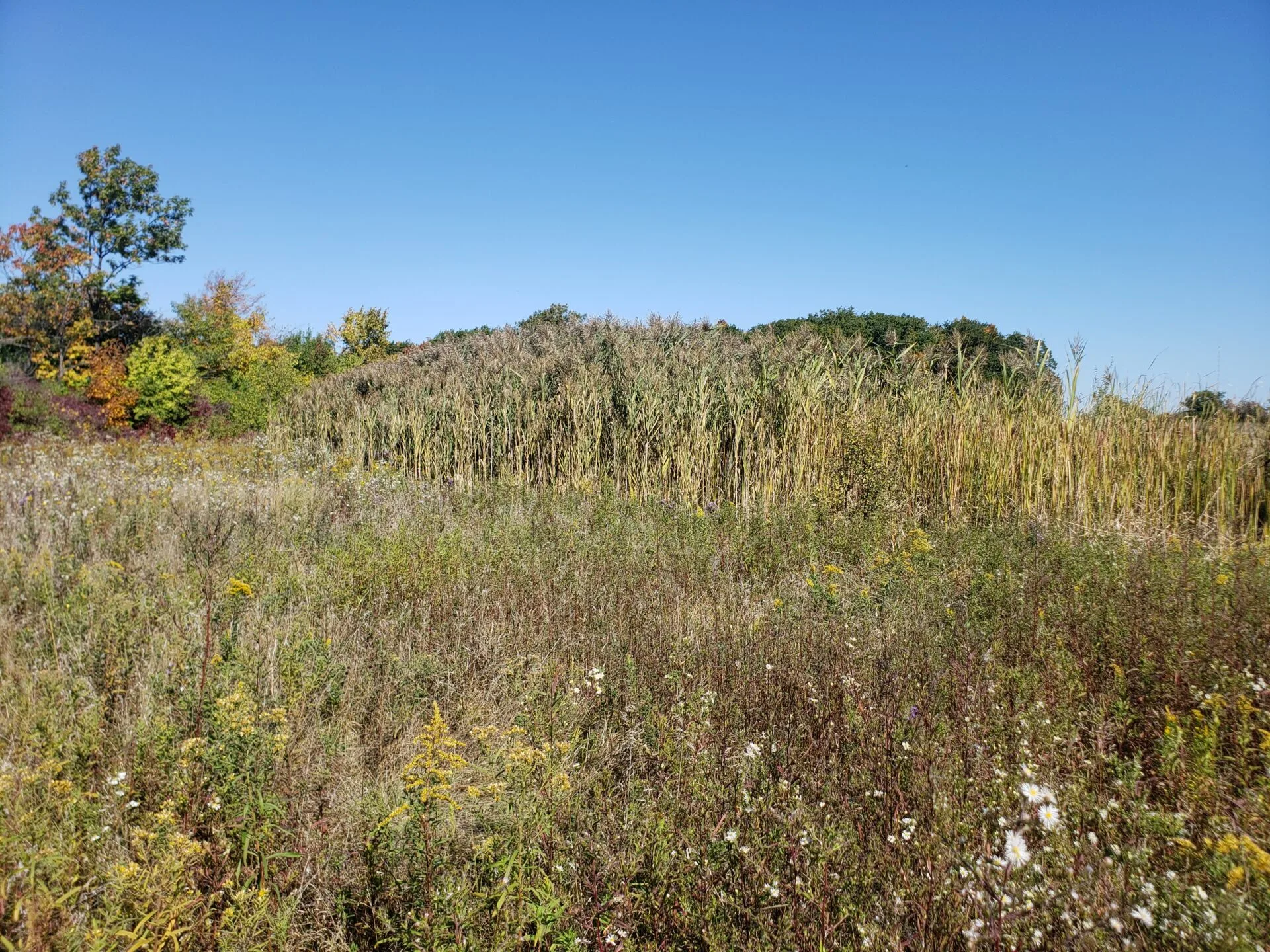
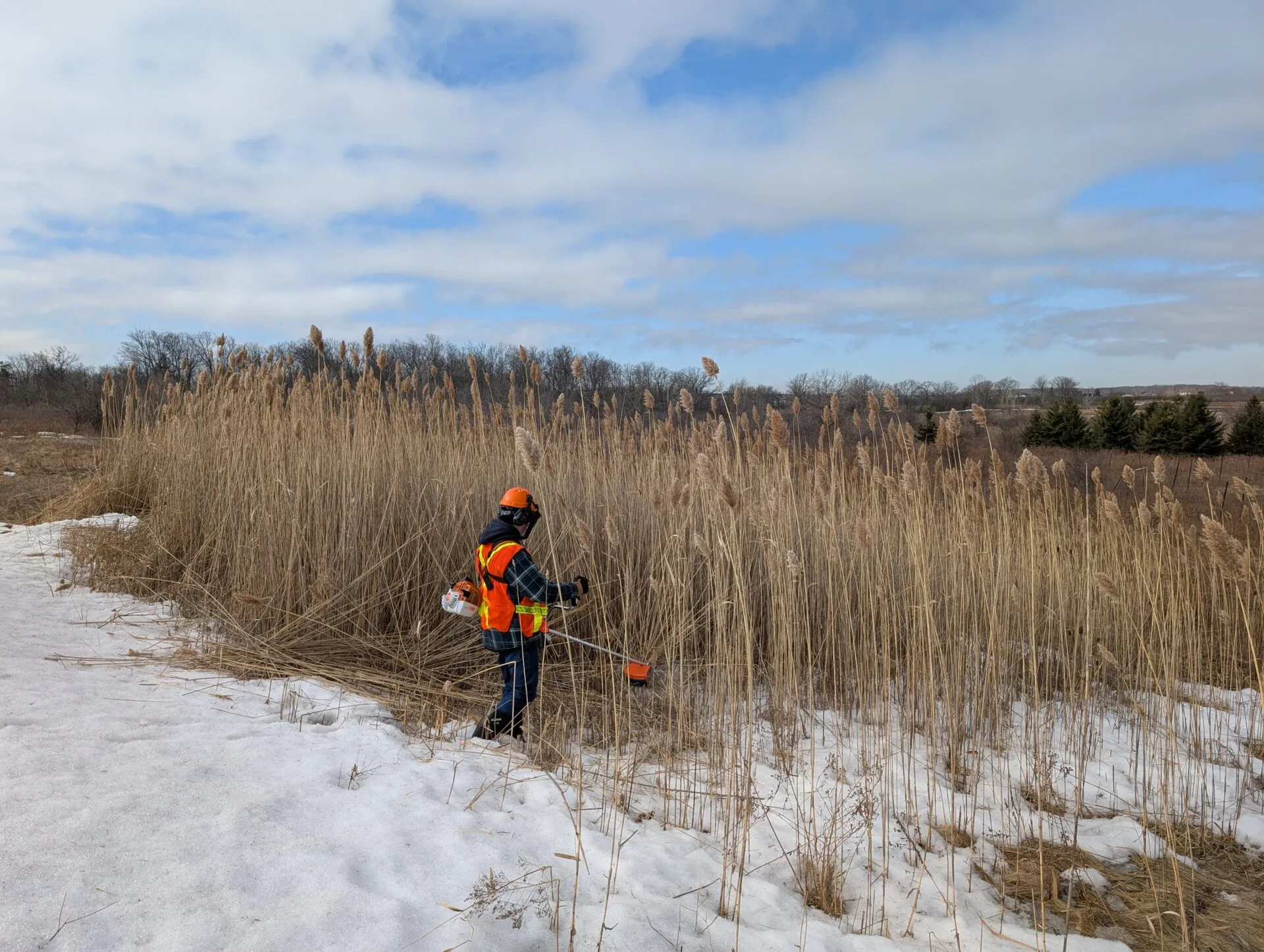
- Reduce usable habitat: Invasive species can reduce usable habitat for other species due to their growing patterns or behaviour. For example, phragmites, an invasive reed, grows far more densely than cattails in wetlands, reducing habitat for fish, turtles, and amphibians. Goldfish that are released or escape from being pets or pond fish can feed on all forms of native life and muddy waters, preventing plants from regrowing effectively.
- Pose health concerns: Many species also pose health concerns to people and the environment. Giant hogweed is highly toxic, and many invasive mussel species have sharp shells that can harm swimmers and boaters.
Invasive species in HCA's watershed
In Hamilton, the combination of green spaces, urban growth, and movement of people through major highways and the Port of Hamilton has led to numerous invasive species arriving in the region. Recent findings during Hamilton’s Natural Areas Inventory found that 34.6% of plants recorded were non-native species. Several emerging insect species, like hemlock woolly adelgid, spotted lanternfly, and insect-spread diseases like oak wilt, pose risks to economic industries in southern Ontario, like agriculture, timber, and vineyards. Zebra and quagga mussels have cost approximately $7 billion in management and monitoring since their introduction into Canada, and clog and damage pipes for water treatment and power plants. To preserve local ecological health, economic prosperity and biodiversity, it is important to address invasive species.
What is HCA doing to fight invasive species?
HCA’s invasive species program looks to identify, map, remove, and restore conservation areas impacted by invasive species. This goal is set out in HCA’s Invasive Species Strategy, most recently updated in 2024. HCA also works with private landowners through the Hamilton Watershed Stewardship Program to work on invasive species projects on private lands.
Throughout the year, you may see invasive species staff in conservation areas working on a variety of projects. These include:
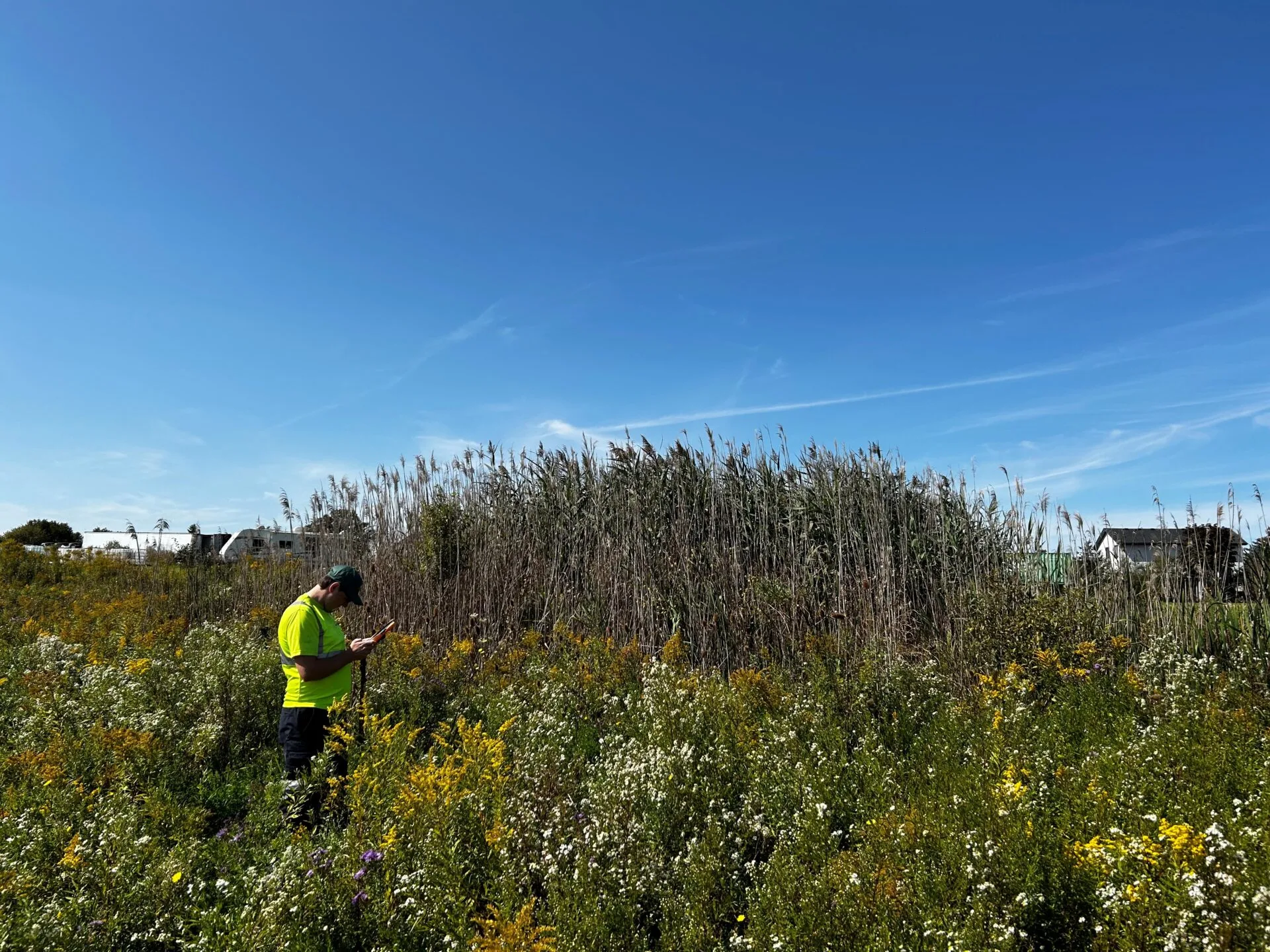
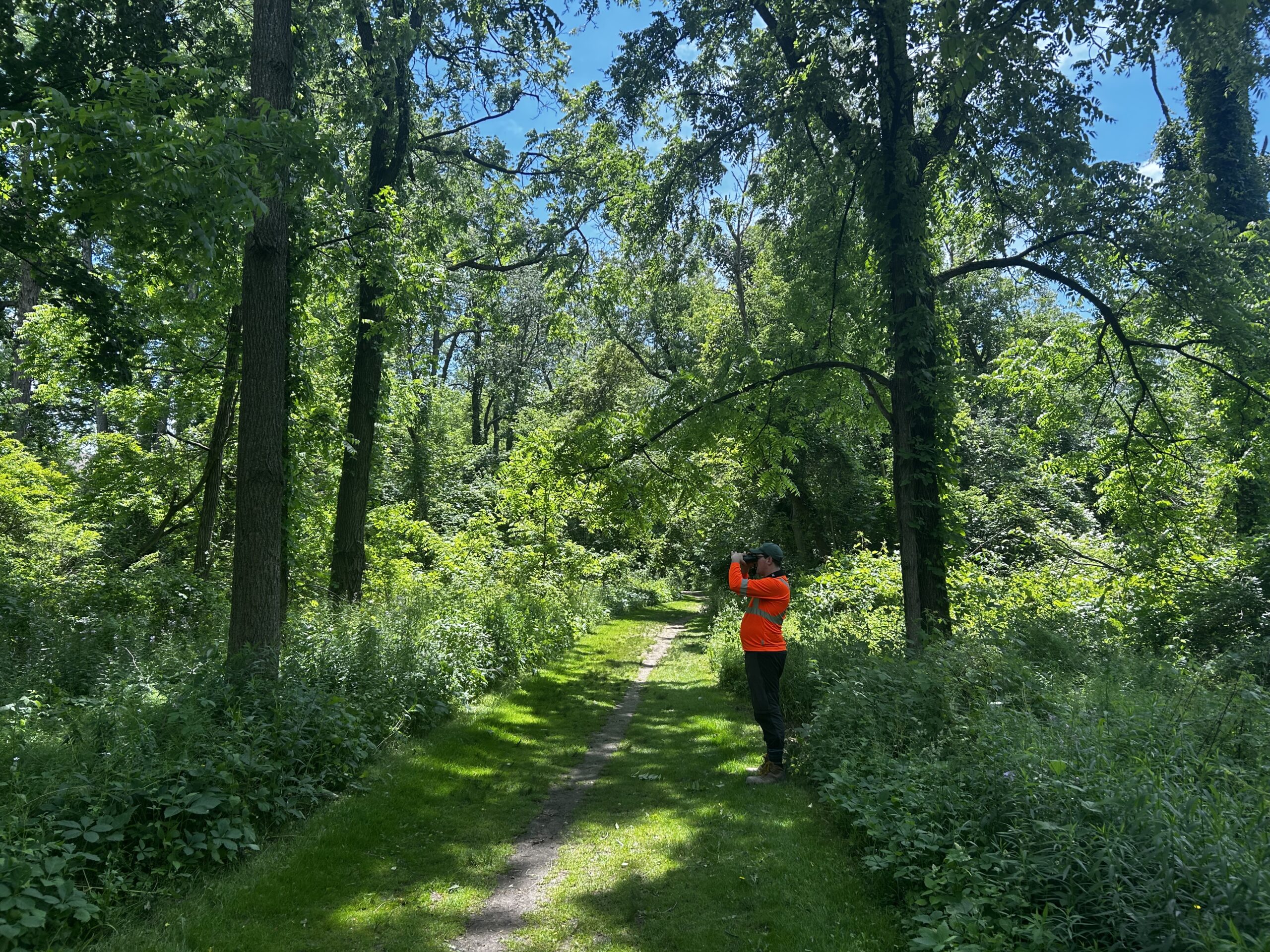
- Mapping conservation areas and documenting the invasive plant species found there.
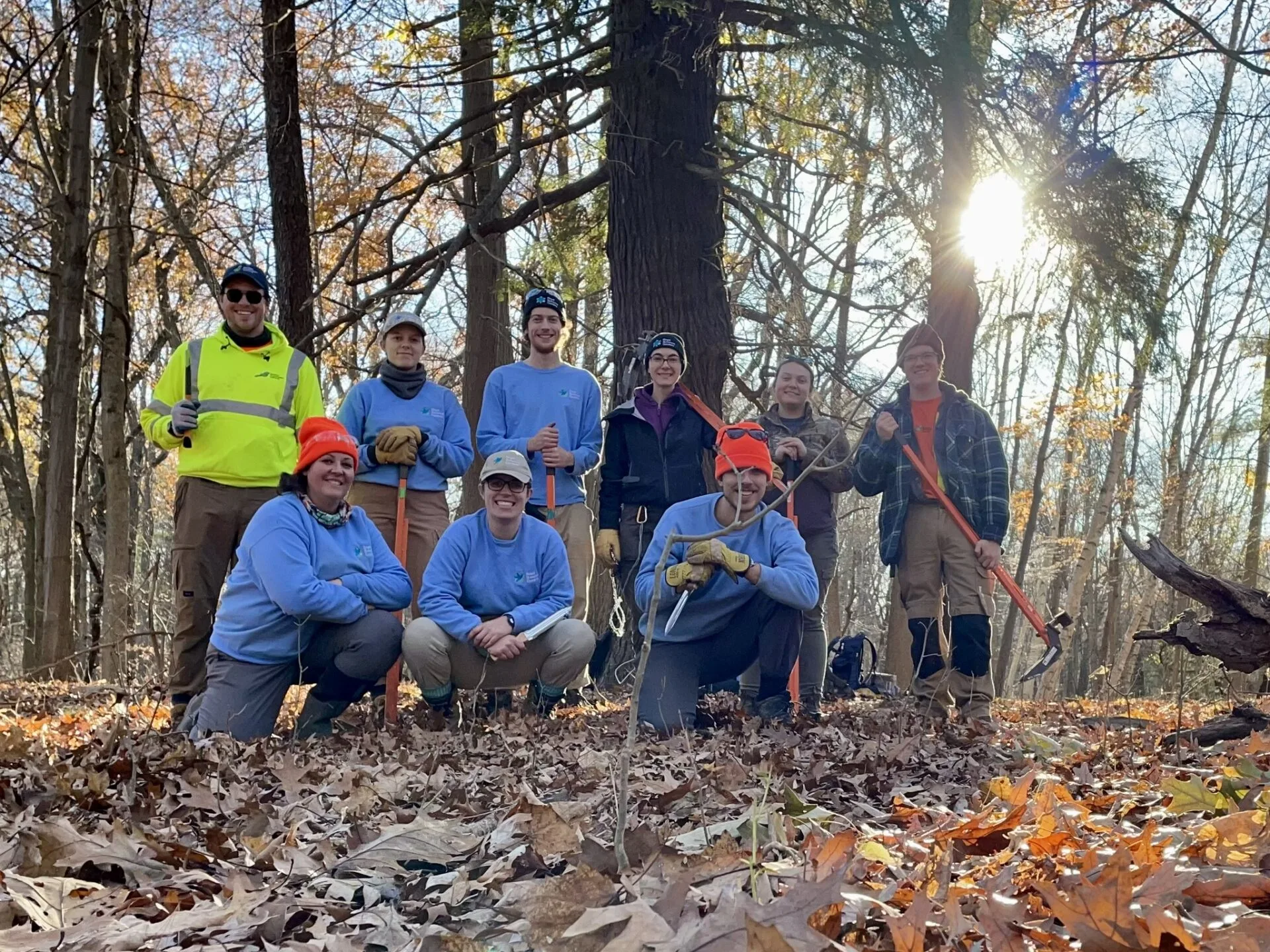
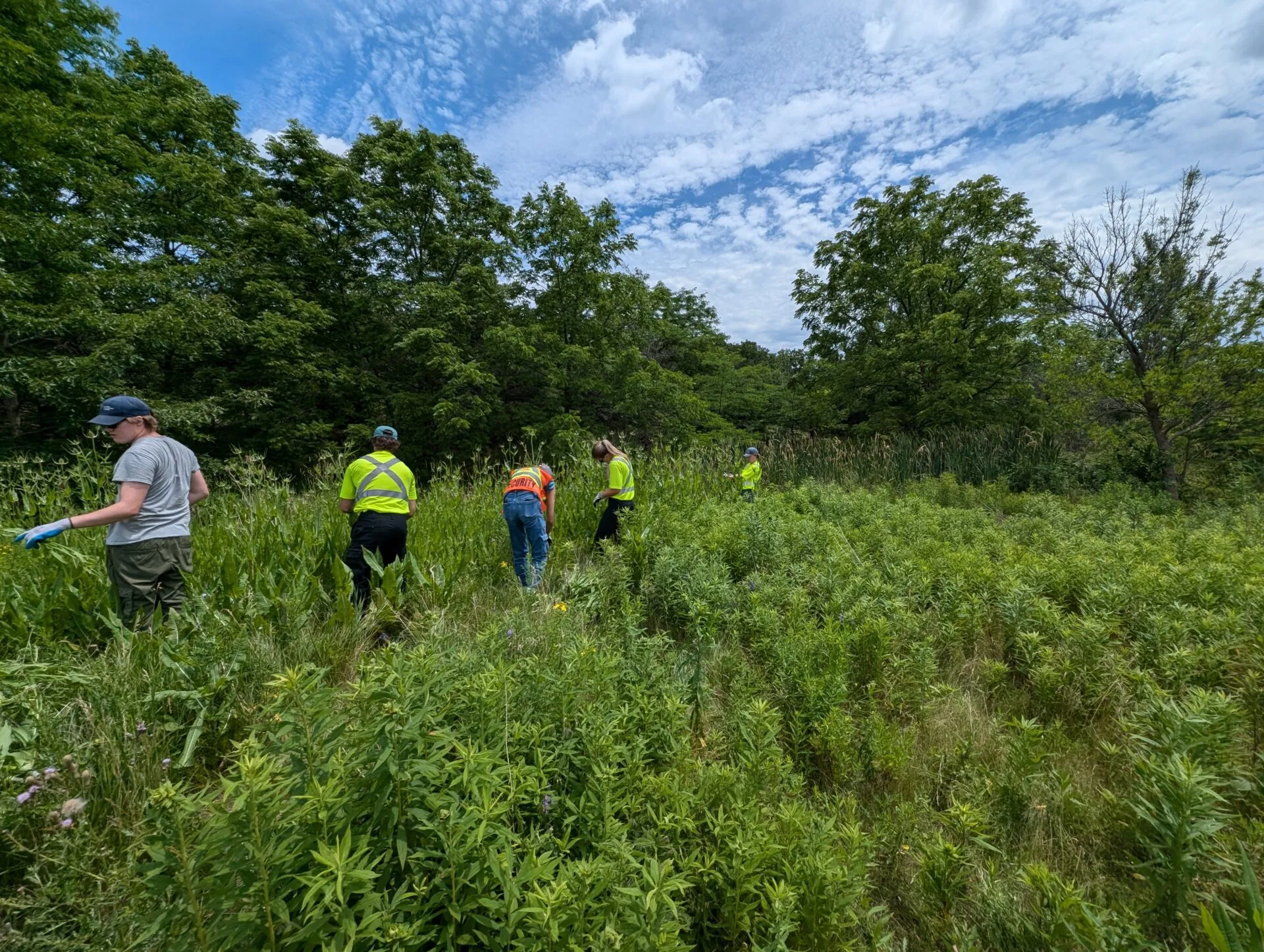
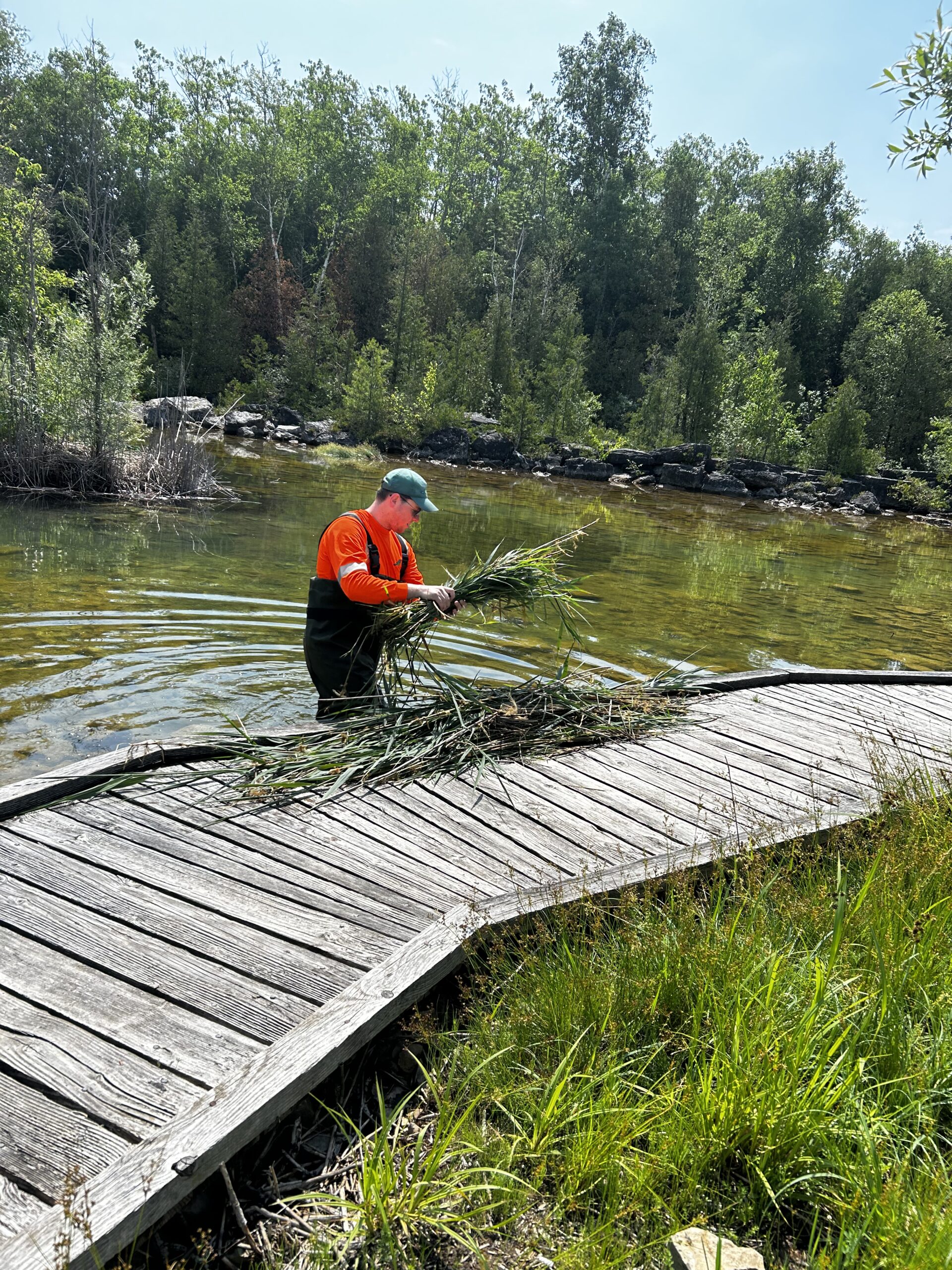
- Pulling invasive plants and shrubs with staff and volunteers.
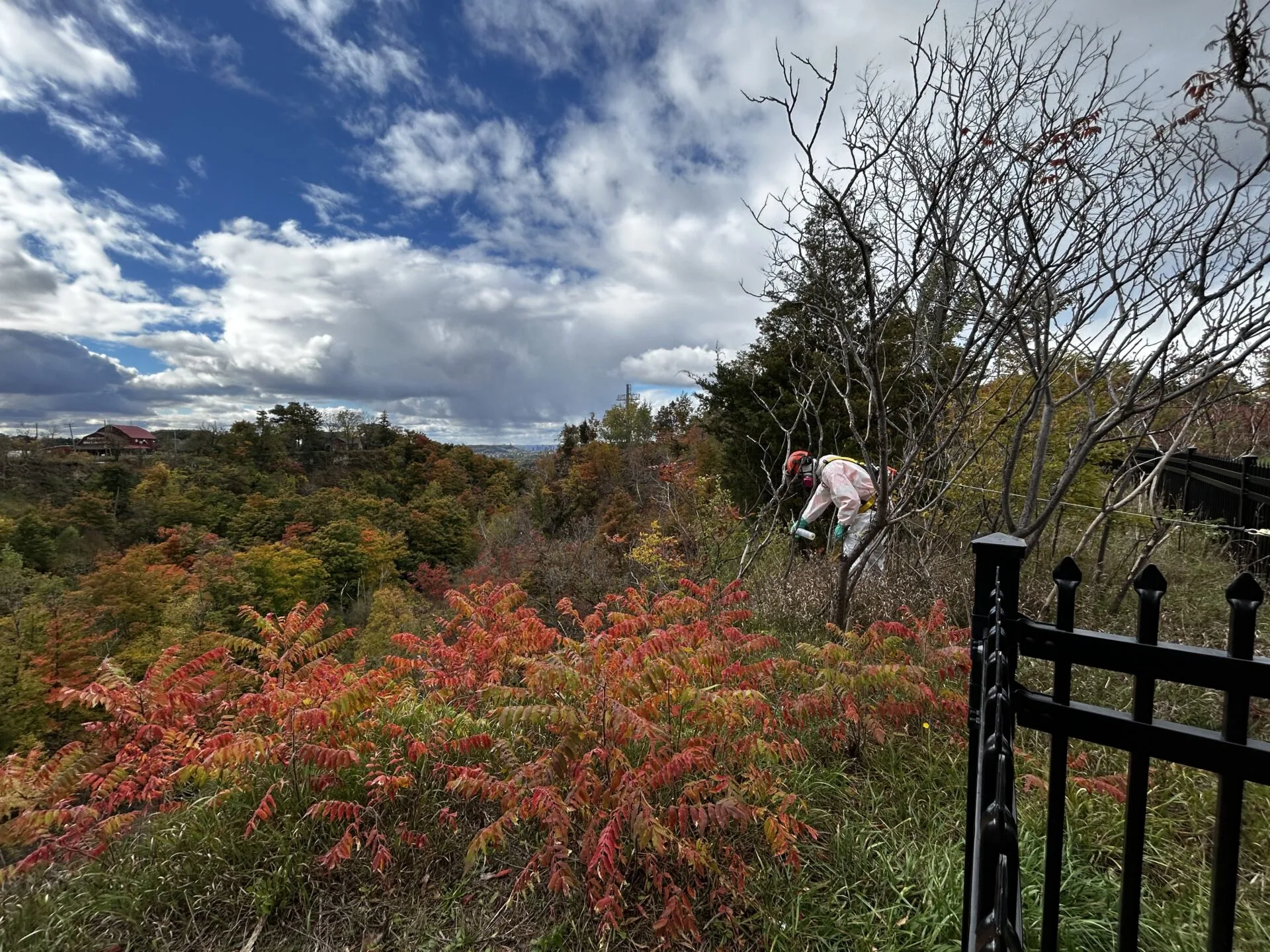
- Performing targeted chemical treatments on high priority species like phragmites, Japanese knotweed, giant hogweed and common buckthorn.
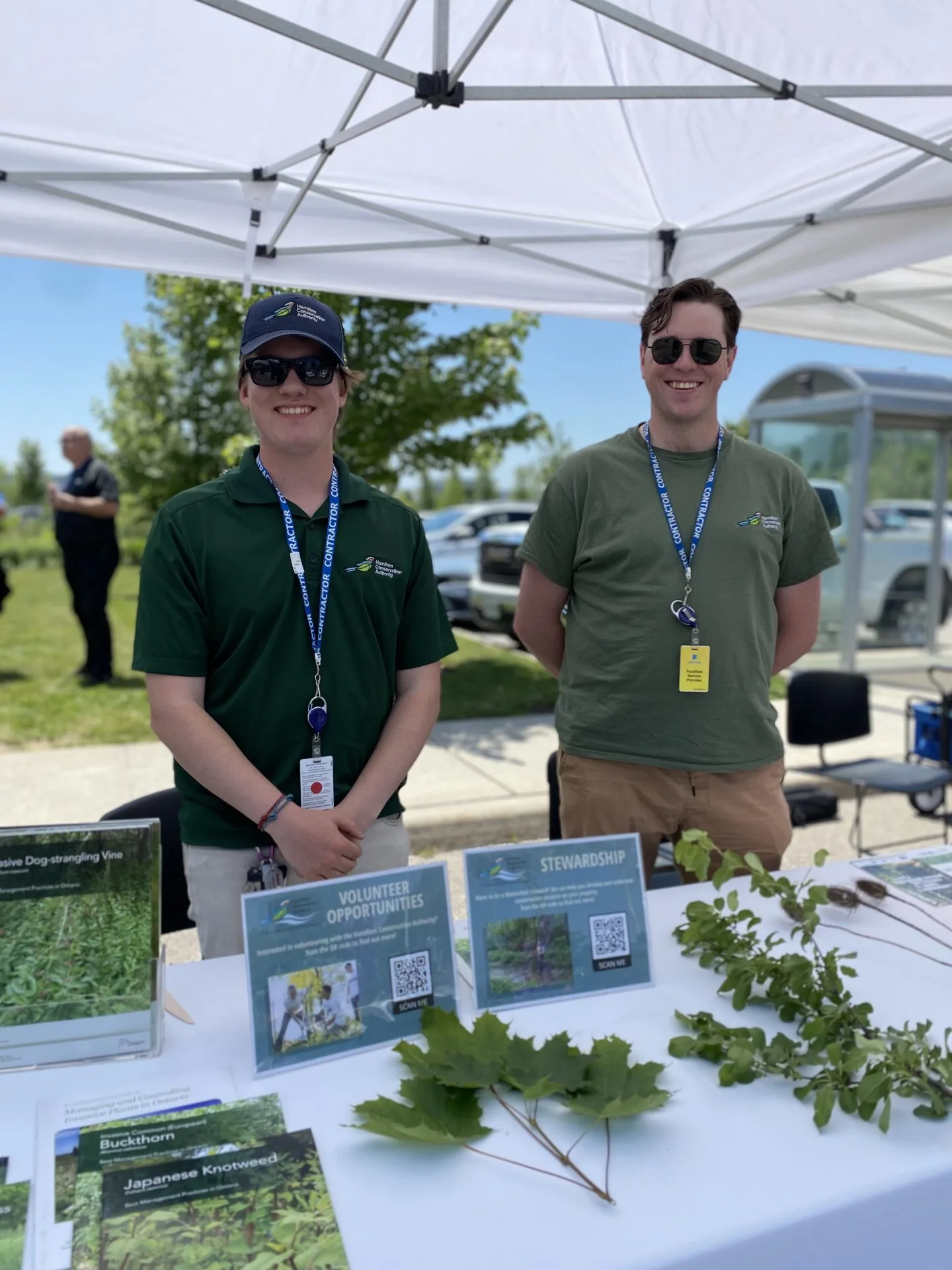
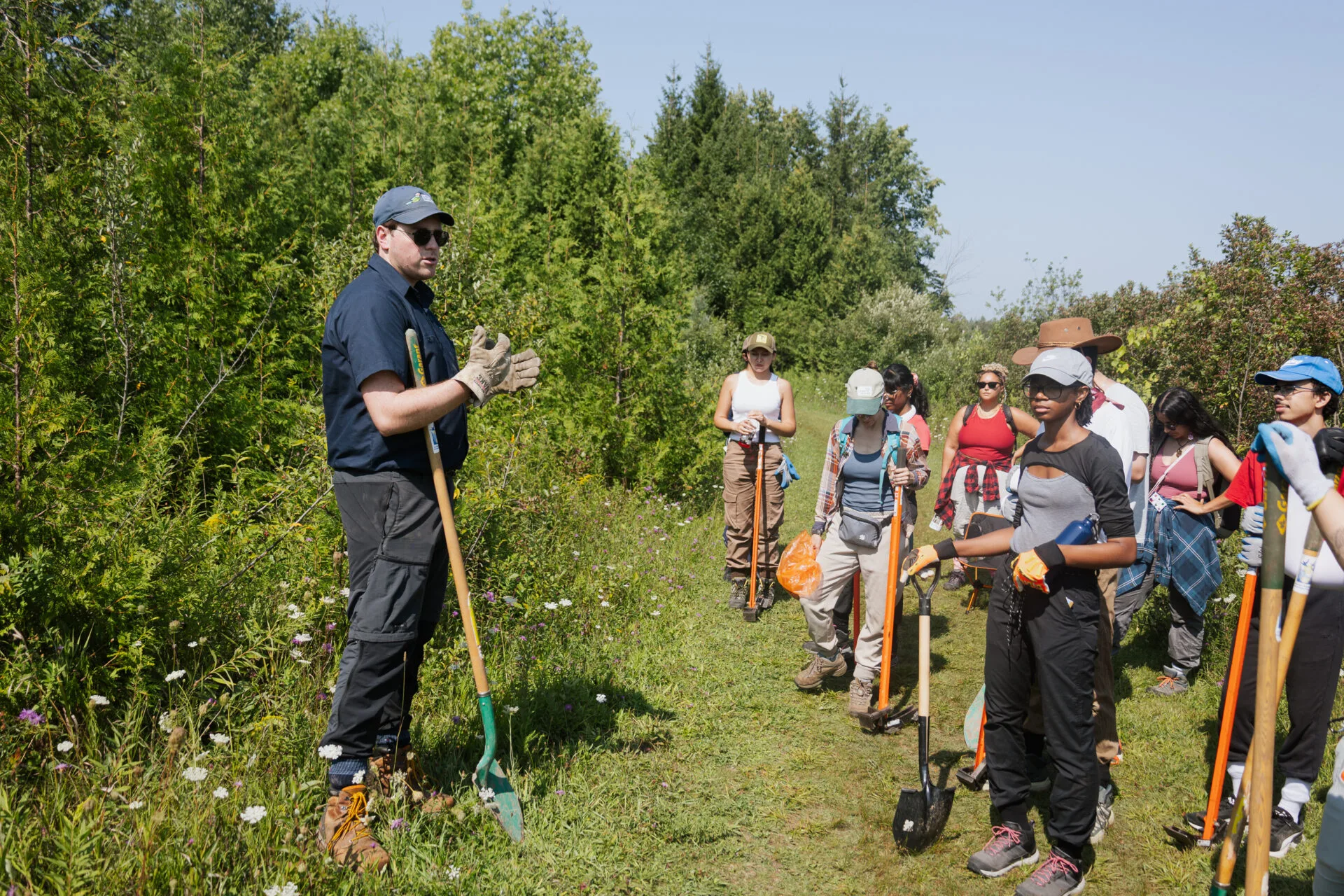
- Hosting community events to teach members of the public what they can do in the fight against invasive species.
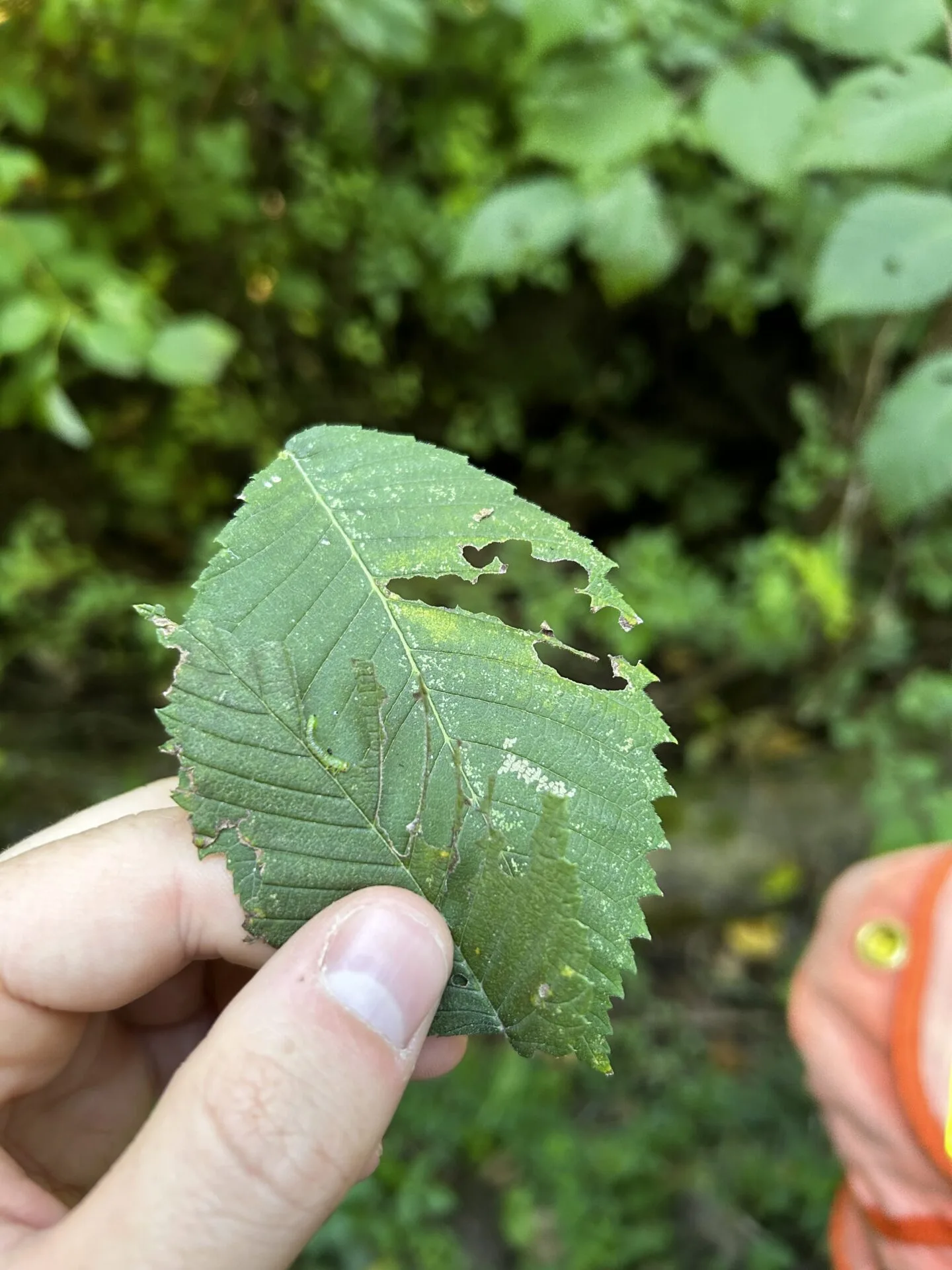
- Looking for invasive species through seasonal monitoring surveys for forest pests and pathogens, like beech leaf disease, LDD moth, and hemlock woolly adelgid.
HCA also collaborates with our local partners, including the City of Hamilton, Royal Botanical Gardens (RBG), Hamilton Naturalist Club, McMaster University, and many other volunteer groups and land managers across Hamilton.
Major Projects
HCA’s newest conservation area, Saltfleet, is a wetland creation project nestled above the escarpment in Stoney Creek. With any major environmental project, invasive species are a big concern, as they thrive in disturbed habitats.
To protect these new wetland ecosystems, invasive staff have removed over 35,000 m2 of phragmites since 2022, as well as mapped over 180 acres of property, which revealed the presence of over 23 invasive and non-native species of plants, and three invasive forest pests or pathogens. This work resulted in a special document, an invasive species prioritization plan, which is currently in development. The prioritization plan gives guidance and sets a path for the next steps required to prevent the introduction of new invasive species and manage the many species found there. This removal work has helped support the new wetlands and ensure the habitat for the many species of birds, mammals, amphibians, reptiles, and native plants are protected and biodiversity remains high.
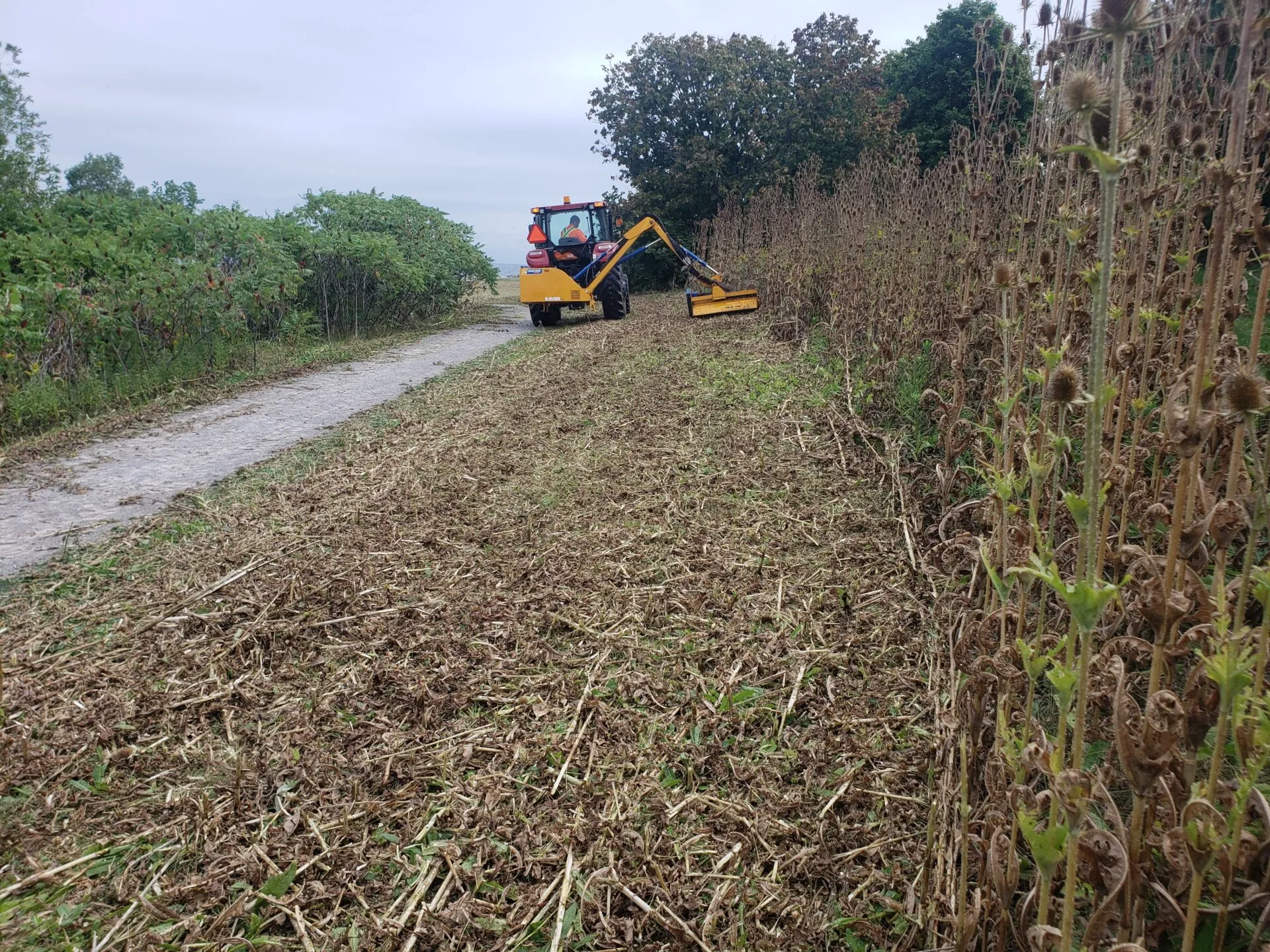
Invasive species projects often work in tandem with other projects completed by HCA. At lower spencer creek, staff have been removing invasive phragmites, teasel, and mana grass since 2015 to open more habitat for native species. This work has been transformative, as the invasive species populations in overhave been reduced, clearing space for the planting of native species which has in turn enhanced the habitat for local wildlife like turtle.
The removal of invasive phragmites has also enabled HCA in collaboration with the RBG, to install nearly 2 kilometers of wildlife fencing along Cootes Drive to help protect turtles using this improved habitat.
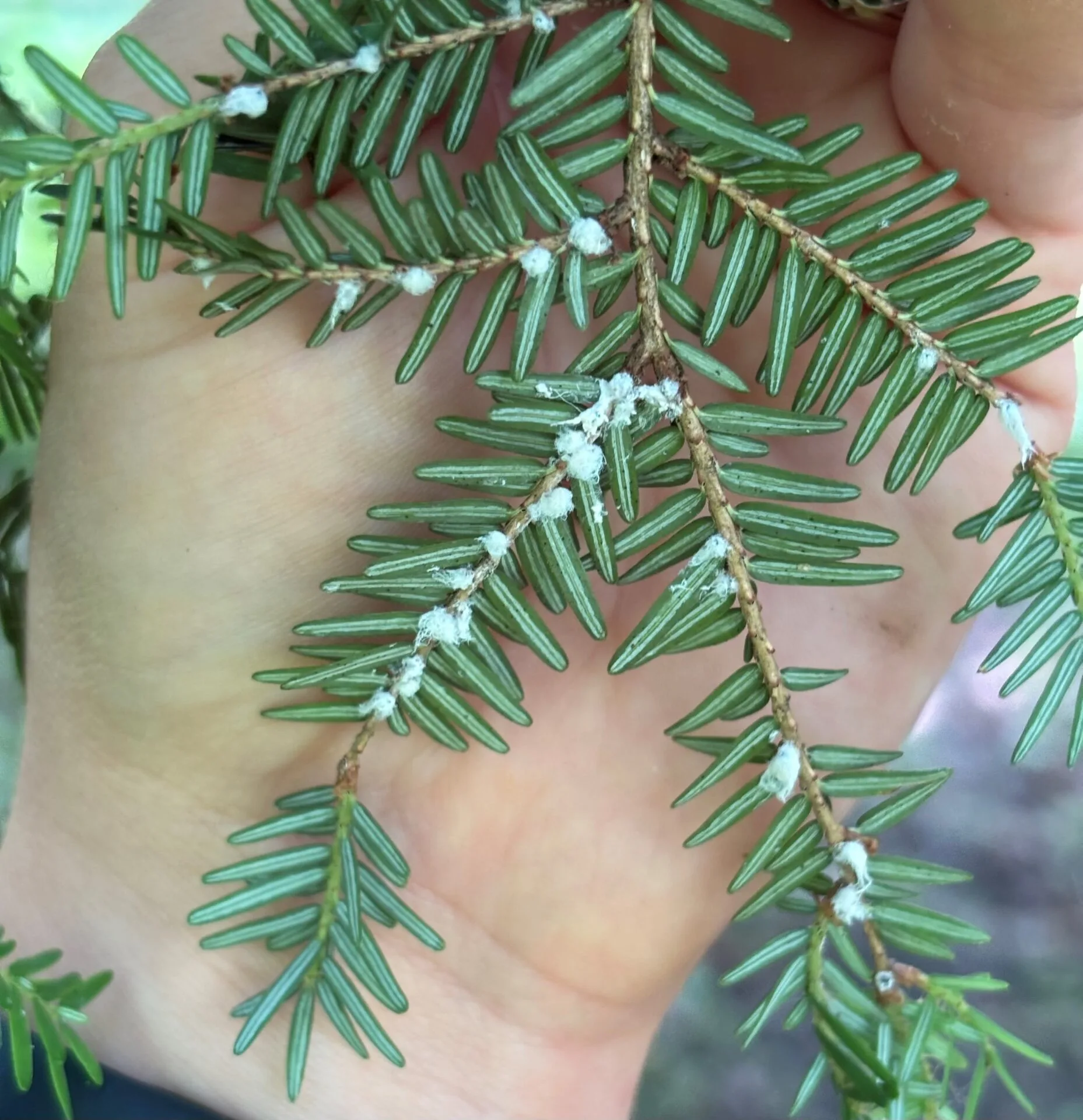
In 2023, a new invasive insect was found in Hamilton at the RBG. Hemlock Woolly Adelgid (HWA) is a sap sucking insect that feeds on the eastern hemlock tree, and due to its rapid reproduction rate and lack of natural predators, can grow rapidly in population size over a short period of time and can kill a mature hemlock tree in 4-15 years. In response to this emerging threat, the HCA has been working closely with the RBG, City of Hamilton, Hamilton Naturalist Club, and McMaster University to coordinate a response.
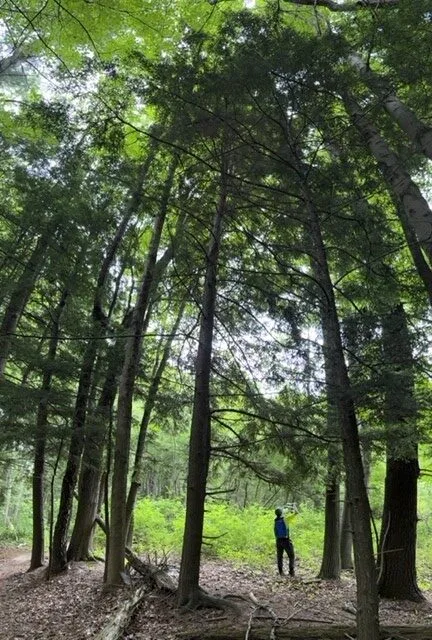
In 2025, HCA mapped over 130 acres of hemlock forest in Dundas looking for HWA. This involved staff inspecting over 800 trees, and resulted in more than 70 detections of trees with HWA in Dundas Valley Conservation Area. In total, 1,800 trees were inventoried for HWA, which will provide data for future study, monitoring, and treatment. This survey project helped staff write an HWA management plan that outlines how HWA will be managed across HCA areas. It was approved by HCA’s Board of Directors in early 2026.
The goal of this plan is to provide a framework for the continued survey, monitoring, inventory, and eventual protection of hemlocks on HCA properties of highest priority. As well, staff will continue to work with our partners and find outreach opportunities with the community.
What can I do?
There are many ways to get involved in the management and monitoring of invasive species, including:
- Uploading sightings of invasive species to participatory science platforms like EDDMapS or iNaturalist.
- Notifying HCA staff if you find invasive species while hiking, biking, or exploring conservation lands.
- Taking part in volunteer invasive plant removals.
- Growing native species in your garden. Many of the most common invasive species are escapees from household gardens.
- Practicing boot brushing, boat washing, and equipment cleaning when visiting natural areas to prevent the spread of species.
- Never release non-native species into natural areas. This includes pets like goldfish, or garden waste and clippings.
- Stopping the spread by not transporting firewood between different areas of Ontario. Always buy local firewood, as many invasive insects and pathogens are moved through Ontario on firewood.
If you are looking to do environmental restoration work or invasive species control on your property, consider booking a site visit with HCA’s stewardship team. Our expert staff can help identify project opportunities, provide guidance, and support an application to the Water Quality and Habitat Improvement Program (WQHIP), which provides grants to private landowners undertaking environmental work on their property.
HCA maintains a volunteer database for community members who want to get involved. By signing up, you’ll be informed about upcoming walk-and-talks, workshops, invasive species removals, and plantings.
Resources
Ontario Invasive Plant Council
Invasive Species Centre
Ontario’s Invasive Species Strategic Plan
Grow Me Instead Guide
Canadian Council on Invasive Species
HCA Publications
Invasive Species Strategy
HWA Management Plan
Valens Lake Prioritization Plan
Eramosa Karst Prioritization Plan
Contact Us
If you have questions about the HCA’s invasive species work or want to report a sighting, contact one of our Invasive Species Technicians!
Ben Laing
Invasive Species Technician
blaing@conservationhamilton.ca
905-525-2181, ext. 171
Bryson McEwen
Invasive Species Technician
bmcewen@conservationhamilton.ca
905-525-2181, ext. 172