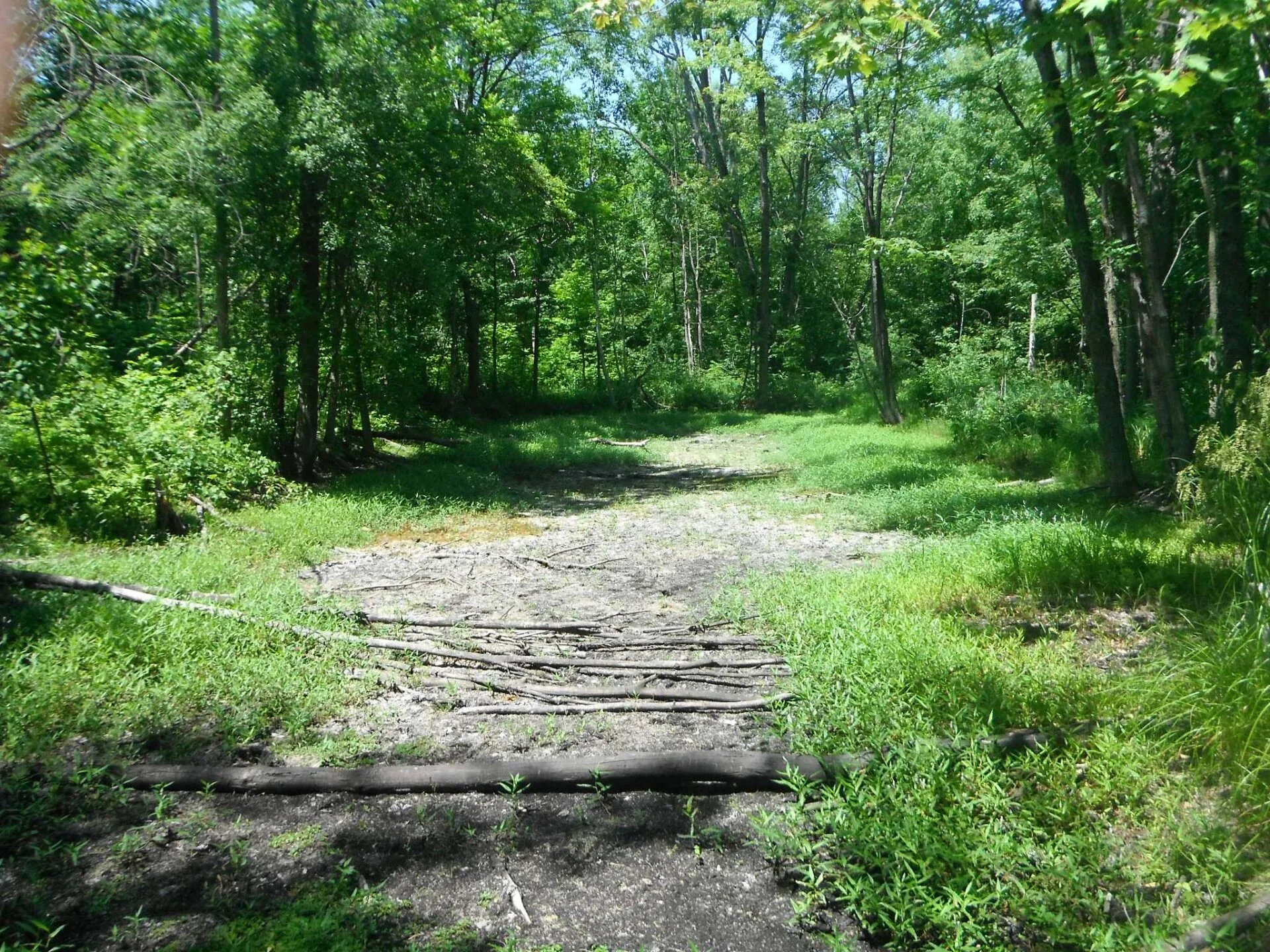

In addition to HCA’s roles and responsibilities related to flooding, HCA is also responsible for monitoring for potential droughts within the watershed.
In the late 1990s, the Province of Ontario experienced extended periods of low rainfall and high temperatures, resulting in some of the lowest surface water levels and driest soils recorded for several decades. A review of these conditions in 1999 led to the development of a response plan for low-water conditions.
Aspects of HCA’s Drought Monitoring program are below:
- Maintain an information and knowledge base on expected long-term average rainfall and streamflow characteristics across areas within the HCA watershed that are vulnerable to drought events.
- Maintain and utilize a streamflow and rain monitoring network that provides current and past watercourse conditions and rainfall amounts.
- Review forecasts of local weather conditions (expected amounts of rain, possibility of thunderstorms).
- Review and consider the local relevance of drought-related messages, bulletins, and information issued by other drought risk related agencies.
- Assess the expected potential for watershed drought conditions, based on the above information, in accordance with available provincial guidelines.
- Coordinate and co-chair the local area Low Water Response team, including arranging meetings and providing watershed conditions information.
- Initiate and maintain the appropriate response to confirmed drought levels in accordance with available provincial guidelines, which include:
- Issue drought messages and fact sheets that detail drought conditions and suggest potential actions to consider taking to the general public
- Issue additional communications to permit to take water licence holders, regarding drought conditions, and suggest potential actions to consider taking.
- Continue drought re-assessments during the drought event and after.
- Monitor of public/media observations and reports of drought impacts.
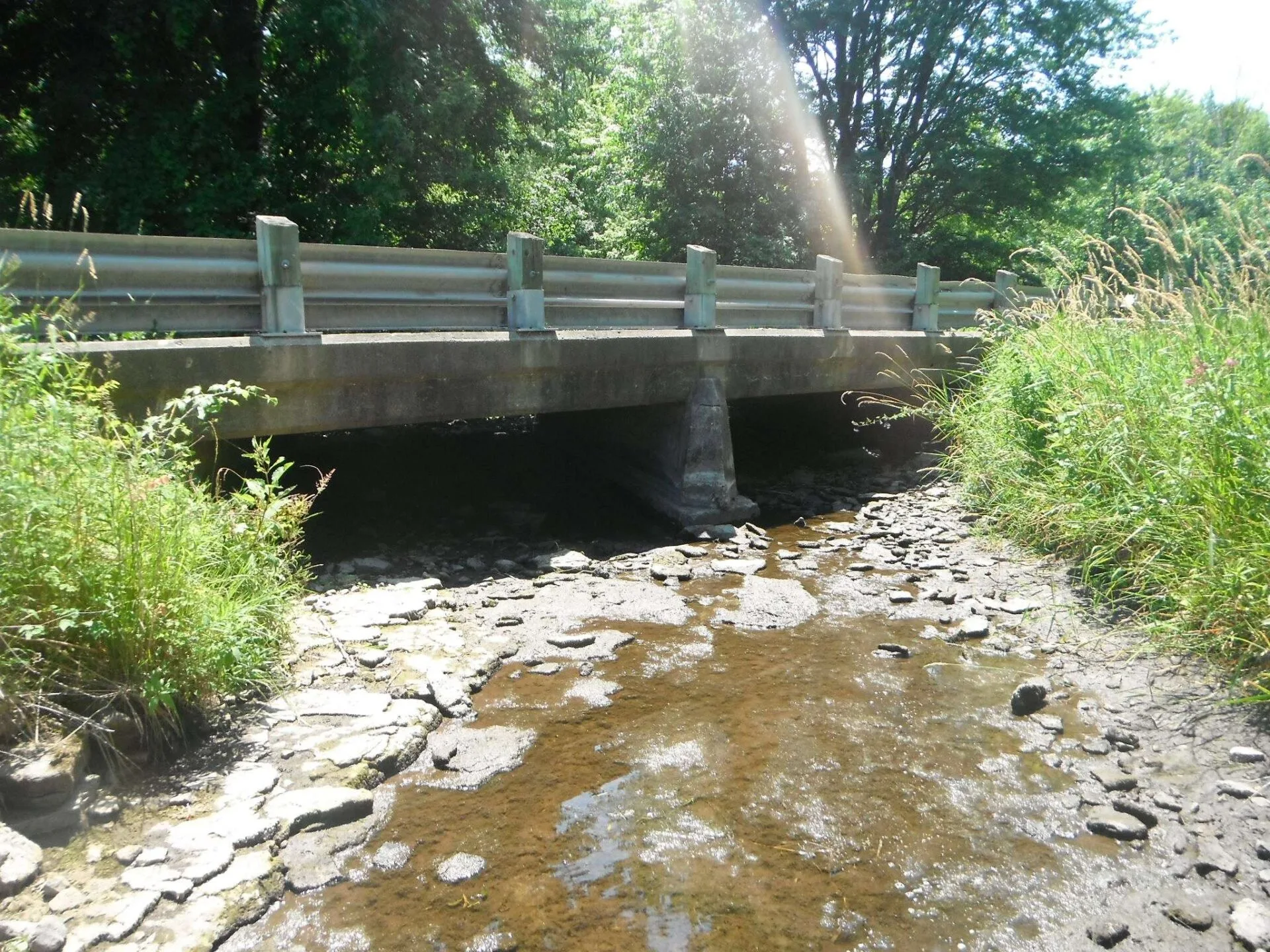
- Undertake site observations of watercourse drought conditions.
- Adjust dam outflows (where suitable) to maintain minimum target water levels downstream.
- Provide ongoing drought-related information and advice to support emergency and drought operations during a drought event.
- Assist in documenting drought events.
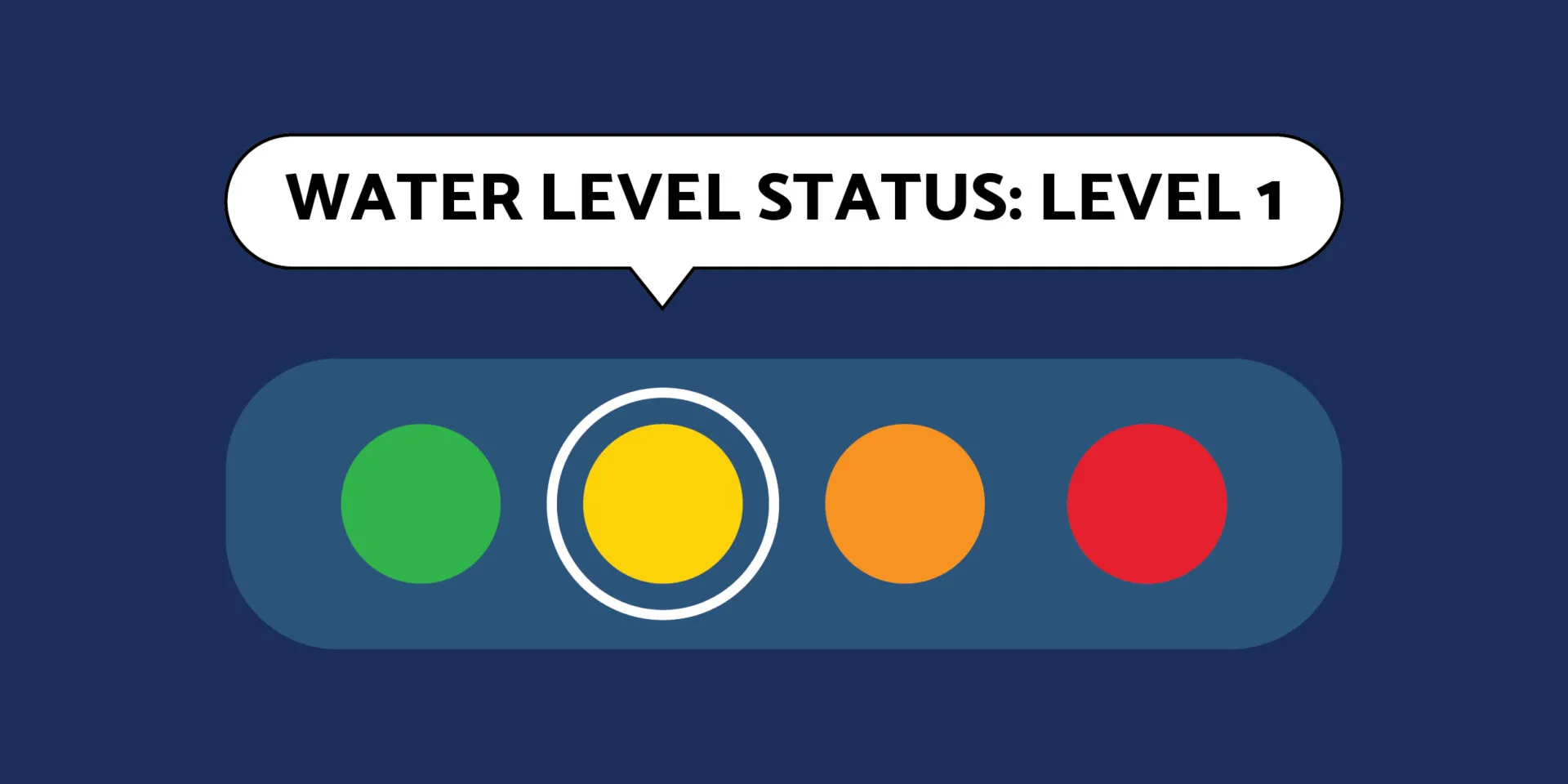
HCA issues three different levels of drought messages:

Level 1
Water users are asked to voluntarily reduce consumption by 10%. Precipitation totals are less than 80% of long-term averages and/or 30-day average streamflows are less than 100/70 %(springtime/otherwise) of the minimum of the long-term average monthly flows for summer months.
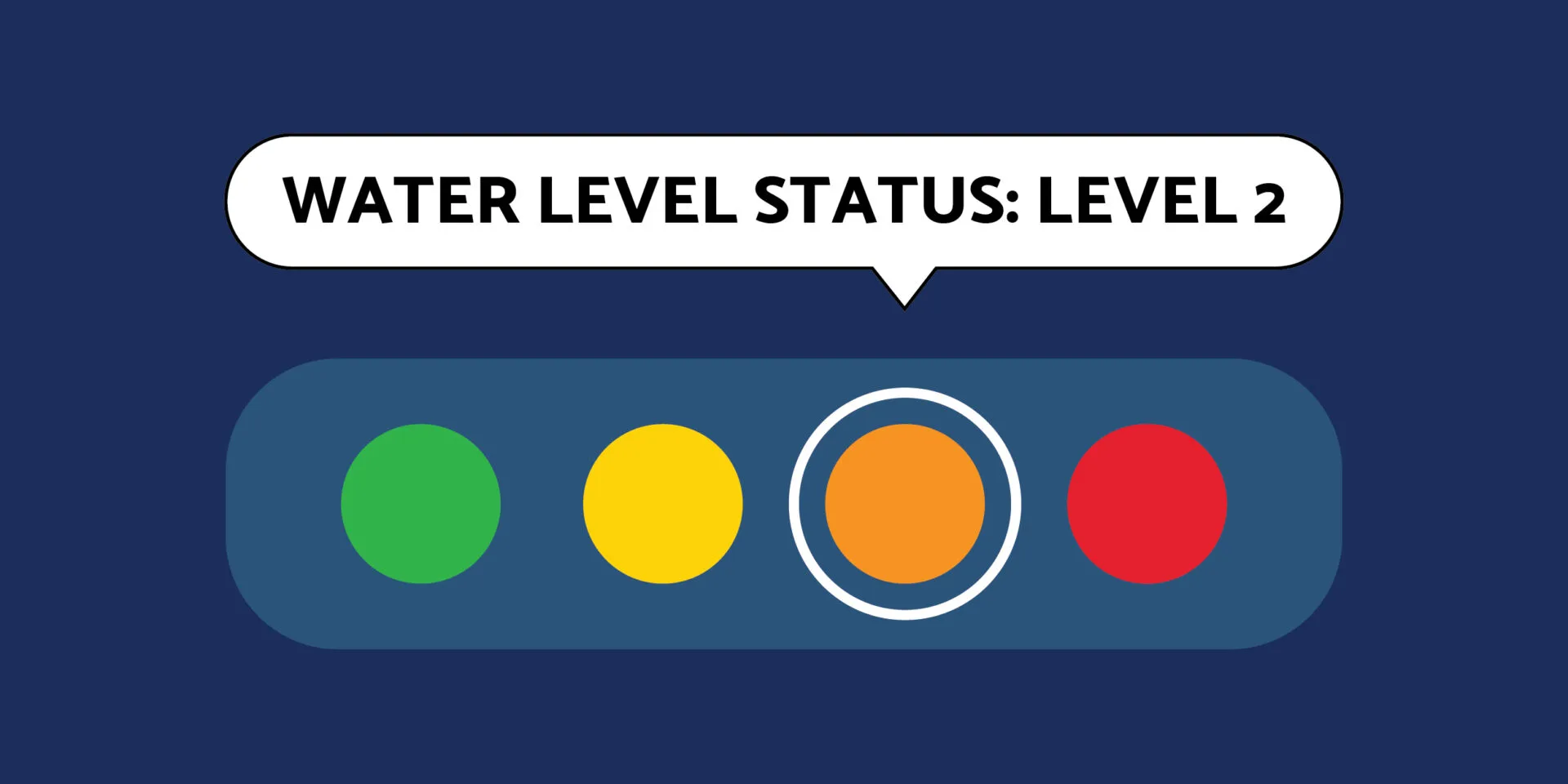
Level 2
Water users are asked to voluntarily reduce consumption by 20 percent. Precipitation totals are less than 60 percent of long-term averages and/or 30-day average streamflows are less than 70 / 50 percent (springtime / otherwise) of the minimum of the long-term average monthly flows for summer months.
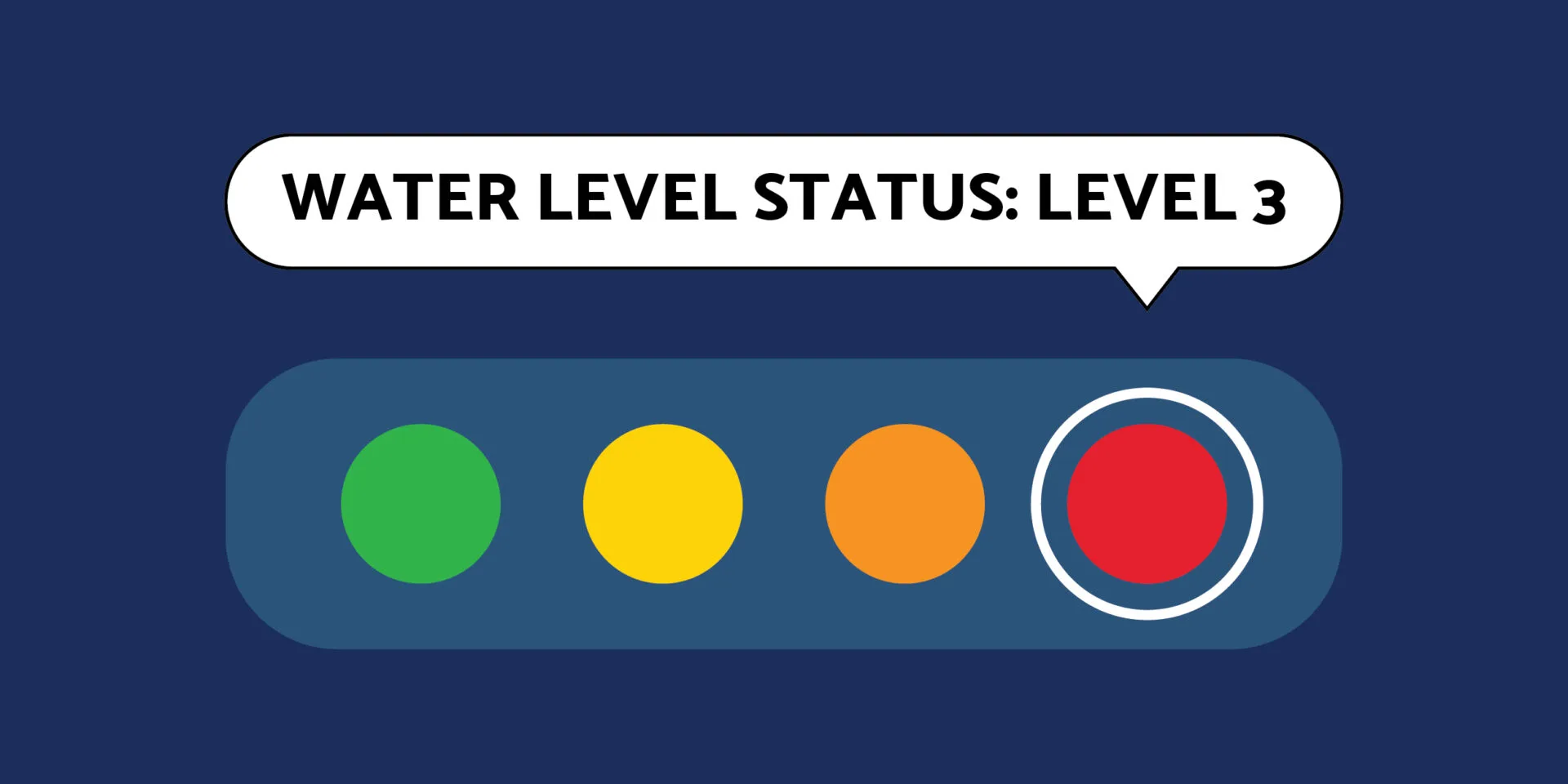
Level 3
There is also potential for economic harm to water takers and/or significant harm to the ecosystem. The Hamilton Water Response Team may ask the province to impose mandatory restrictions on those holding Permits to Take Water. Precipitation totals are less than 40 percent of long-term averages and/or 30-day average streamflows are less than 50/30 percent (springtime / otherwise) of the minimum of the long-term average monthly flows for summer months.