Preventing the Spread of Invasive Species

One of the most important frontiers in the fight against invasive species is preventing them from getting here in the first place! Preventing the spread of many of these species is quite a challenge. Some plants are introduced deliberately, although usually unknowingly, into home gardens. Oftentimes, however, invasives are spread unknowingly through the transport of goods across borders, or on the bottom of your shoe or boat. Luckily, there are some simple steps you can take to prevent the spread of invasive species:
Firewood
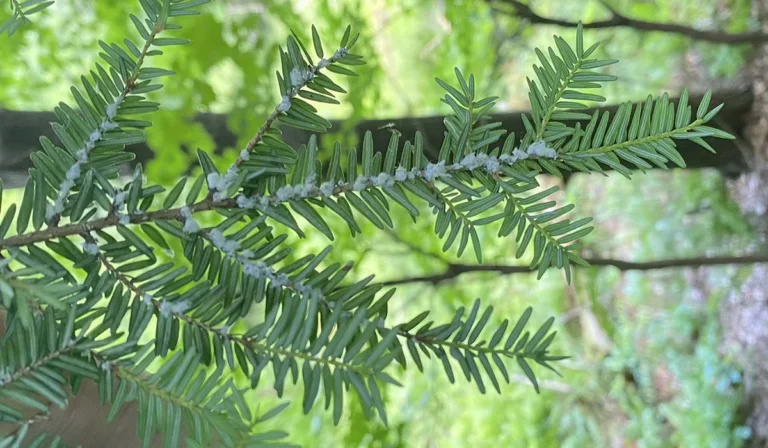
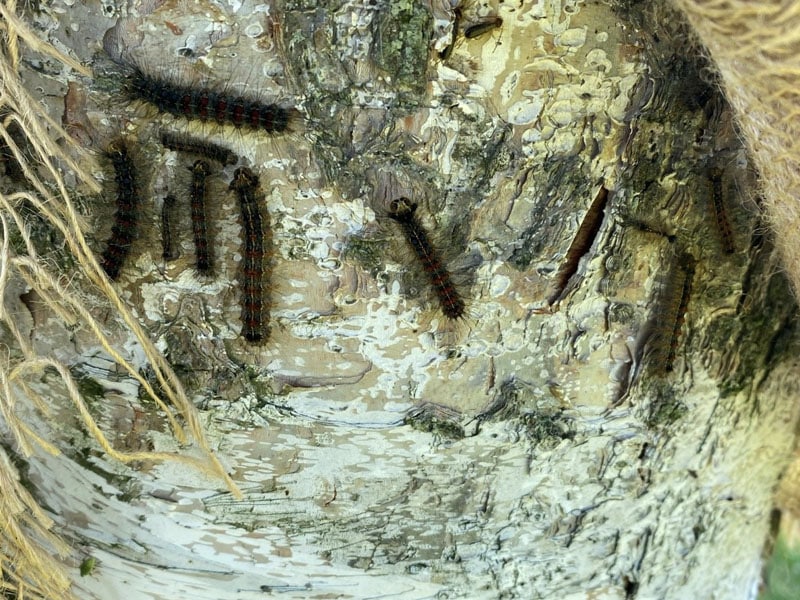
NEVER move firewood! Some of Ontario’s most damaging invasives, such as the Emerald Ash Borer and Spongy Moth, can be easily spread through the transport of firewood. Dead wood can continue to host diseases like Oak Wilt or Dutch Elm disease – moving firewood can move the diseases too. Ontario and Canada have strict rules for moving wood across international boundaries, and there are similar laws inside Ontario. Recently, the government prohibited the movement of hemlock wood from Hamilton, meaning that hemlock trees or products cut down in the city cannot leave the region. If you are camping or cottaging, always buy from locally sourced vendors.
Home Gardens
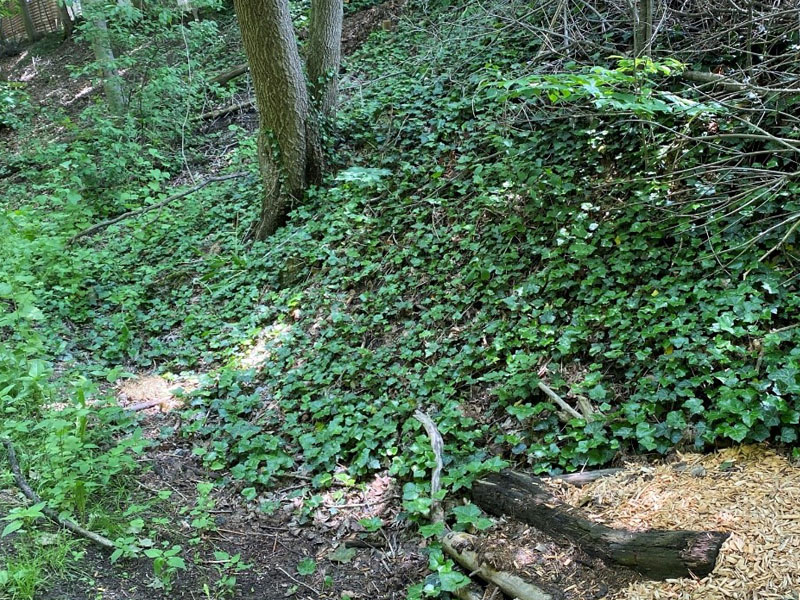
Many invasive species found in our natural areas come from gardens. Groundcovers like English Ivy and Periwinkle can easily spread from your backyard to cover the forest floor or climb and strangle native trees. Other invasive plants found in Hamilton, like Burning Bush and Goutweed came from gardens through seed transport by birds or cuttings thrown into natural areas. These, and many others, are still sold in garden centres. Luckily, native gardens and plants are becoming more popular, and many local garden centres are meeting the increasing demand for native species. In addition to lowering the risk of invasive species spreading, native plants also do a better job at supporting local species of birds, insects, and pollinators. Whenever possible, plant native!
Boat Cleaning
There are many other ways to help prevent the spread of invasive species. Regularly cleaning your hiking and walking clothes, cleaning the bottom of your boots after hiking, properly disposing of unwanted garden plants, and educating yourself and others can all help prevent the spread! The Hamilton Conservation Authority has begun installing boot brush stations at several of our conservation areas. Making use of these stations will help prevent new species from arriving in our natural areas and keep seeds or plant parts where they are already found, limiting the spread of invasive species.
What else can you do?
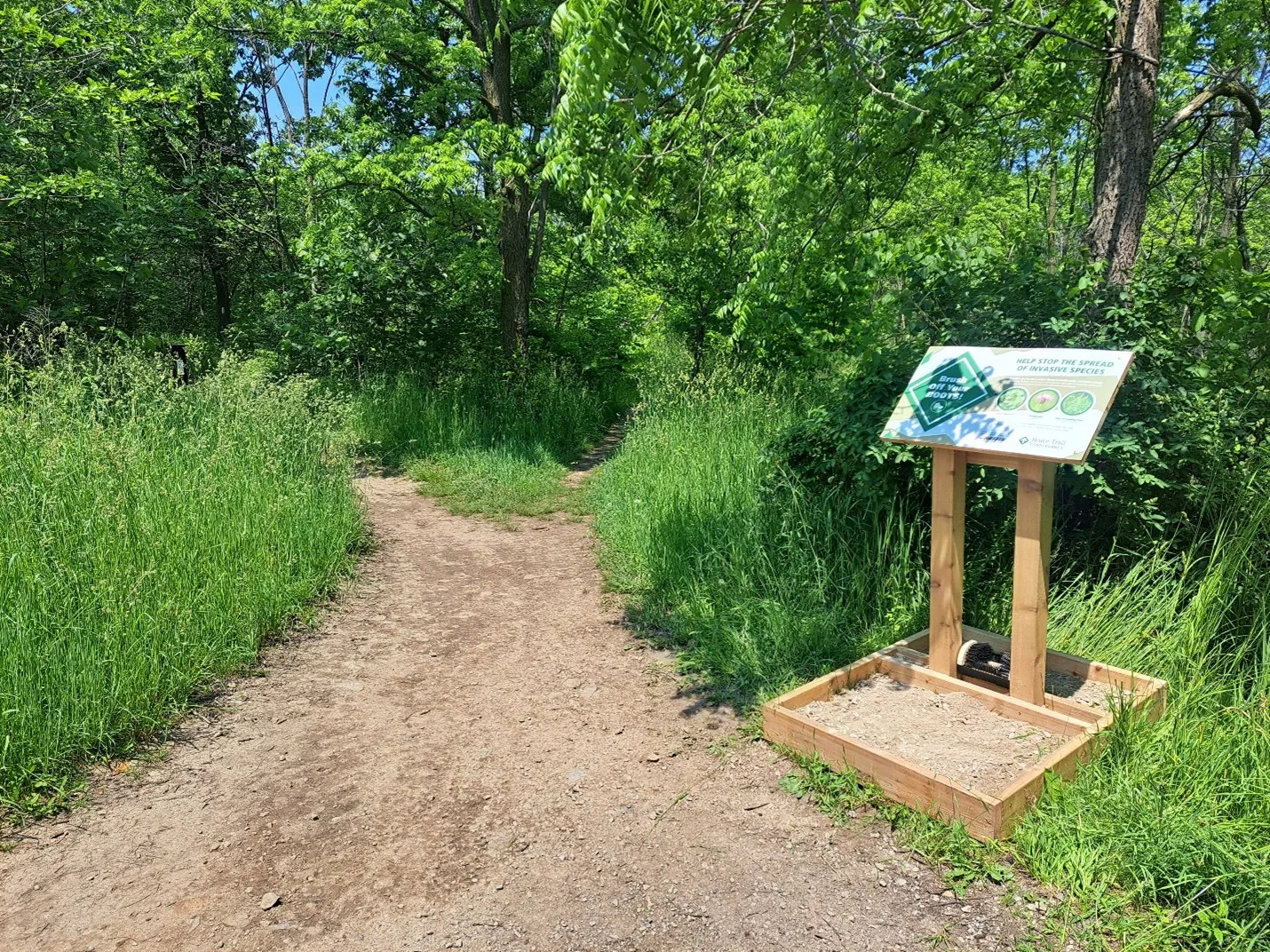
There are many other ways to help prevent the spread of invasive species. Regularly cleaning your hiking and walking clothes, cleaning the bottom of your boots after hiking, properly disposing of unwanted garden plants, and educating yourself and others can all help prevent the spread! The Hamilton Conservation Authority has begun installing boot brush stations at several of our conservation areas. Making use of these stations will help prevent new species from arriving in our natural areas and keep seeds or plant parts where they are already found, limiting the spread of invasive species.