
The Science Behind Finding Invasive Species
Did you know that Ontario’s Conservation Authorities do a lot more than just providing access to nature for people to enjoy? We also have teams working on environmental science that help to understand and protect the nature which sustains us all.
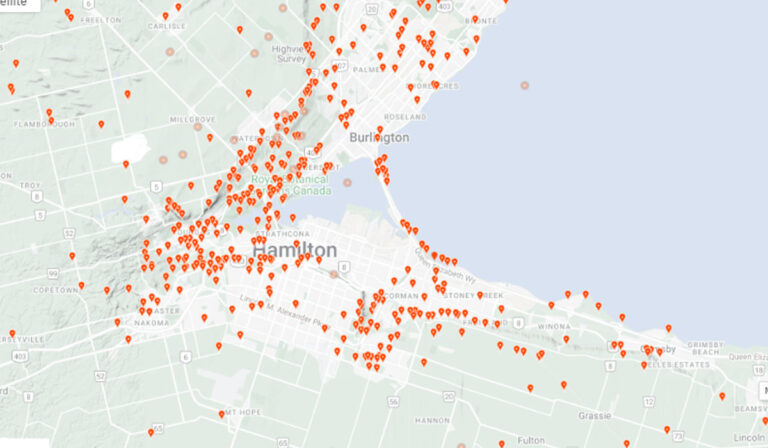
One focus of this work is monitoring for invasive species. As new non-native species continue to be introduced in Ontario, conservation ecologists rely on both tested survey methods and new breakthroughs in technology to better understand how invasive species move and how we can better detect and manage them.
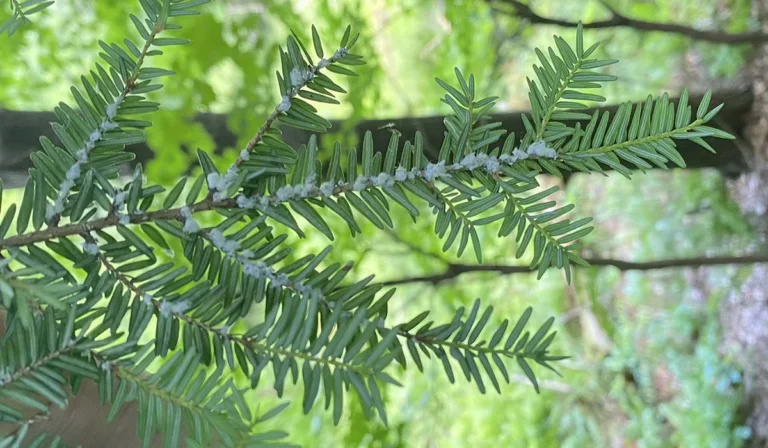
One new species being tracked by Hamilton Conservation Authority is Hemlock Woolly Adelgid (HWA), which is a new forest pest that was first found in Hamilton in 2023. Let’s look at a few of the tools we use to track this newly-arrived insect.
eDNA Sampling
eDNA, or environmental DNA, is a new form of surveying used to detect the presence of plant and animal species in different environments. This method uses samples collected from nature, like creek water or tree needles, where a particular species of interest might exist. These samples are then taken to a lab where they’re analyzed against the DNA of known species to see if there is residual DNA in the sample that matches. If there’s a match, then you know your target is probably there!
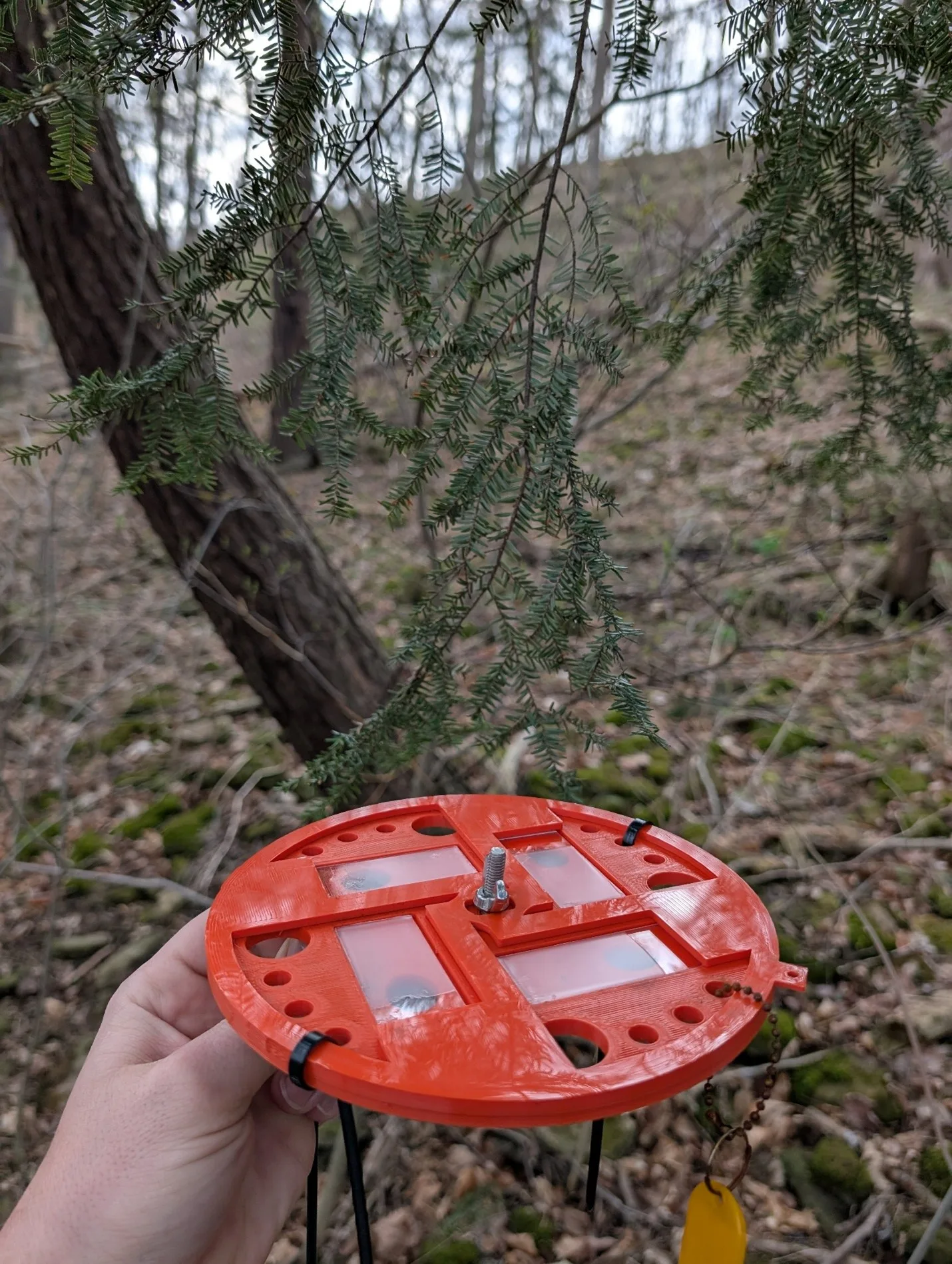
Currently, the HCA uses eDNA traps to monitor for Hemlock Woolly Adelgid. These traps sit under eastern hemlock trees and collect anything that falls from the tree canopy. They are left for a few weeks to passively collect a sample, meaning staff can cover more ground elsewhere to survey for new invasive species detections.
Ball Sampling
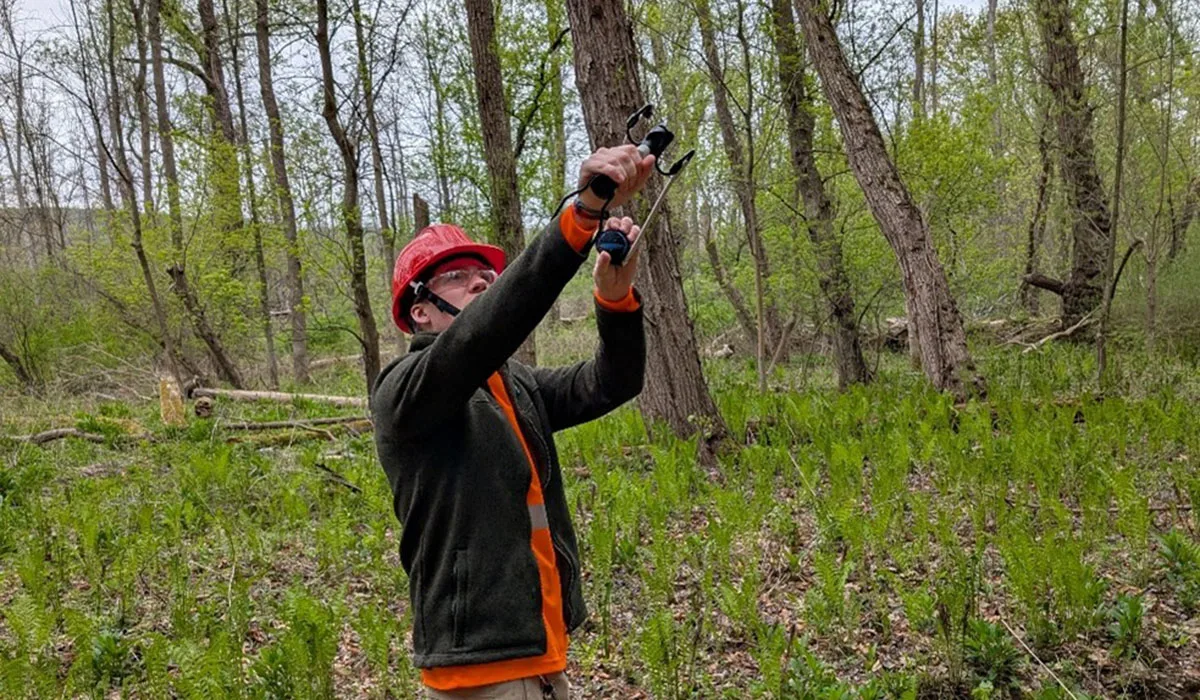
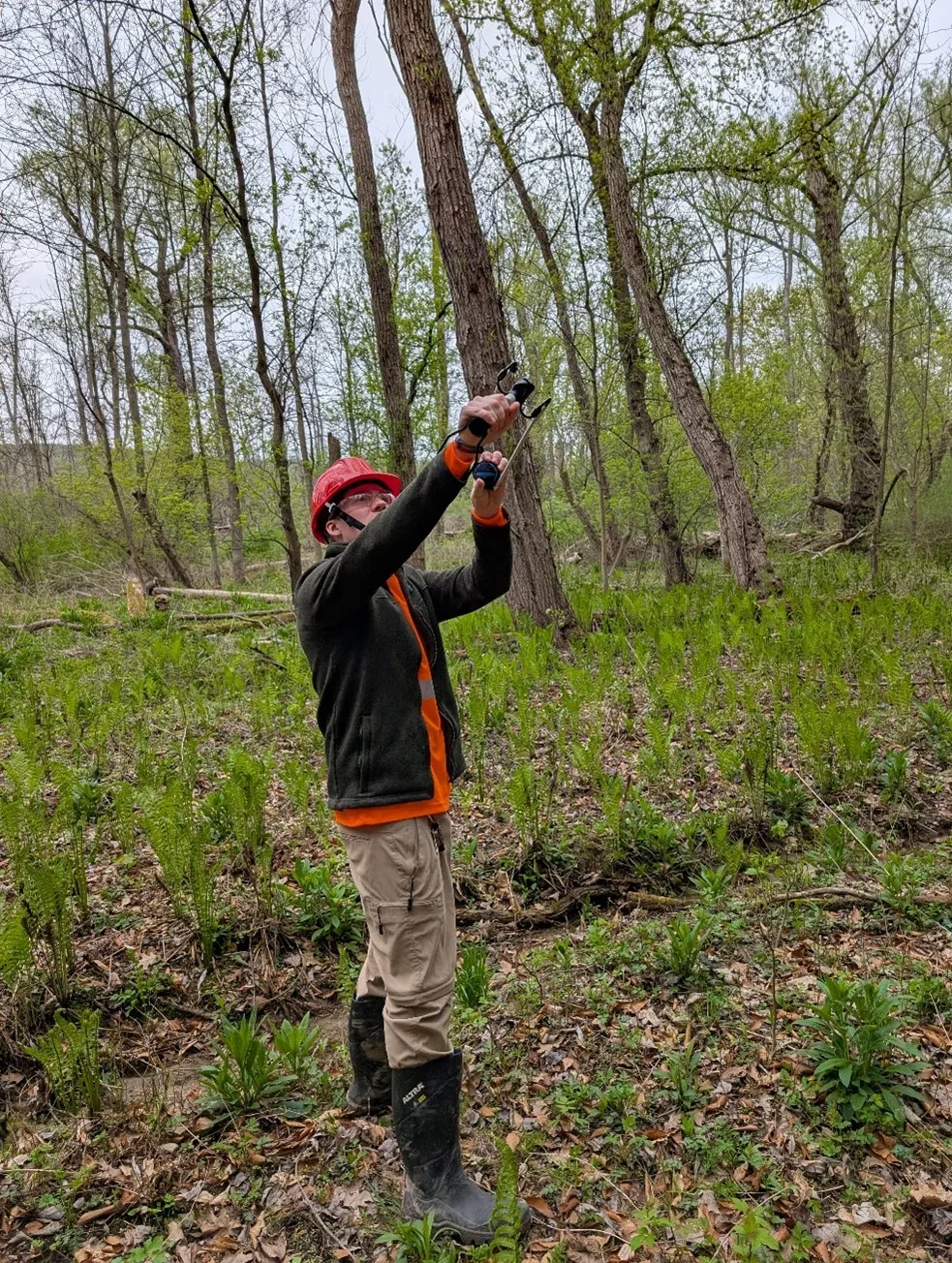
Ball sampling is a new survey tool used specifically to find Hemlock Woolly Adelgid high up in eastern hemlock trees. With this method, surveyors use a slingshot to fire a ball covered in Velcro high up into the tree canopy, which then grabs on to the white woolly material that holds the insect’s eggs. Staff then retrieve the ball and inspect it for any of the white wool that would confirm HWA is in the tree.
Visual Sampling
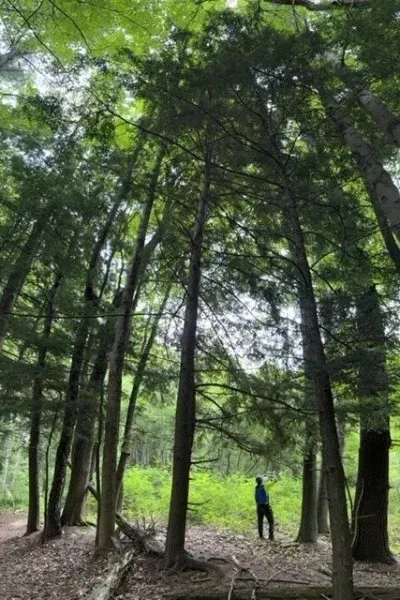
Visual surveys are the simplest tool we have for trying to detect new invasive species in our conservation areas. This method involves staff venturing out into a natural area to inspect trees and other areas of interest using binoculars or just with the naked eye. As you can imagine, this method can be difficult and time consuming, but often it yields great results!
In 2025, HCA hired two summer monitoring technicians to inspect areas of Dundas Valley Conservation Area for HWA, all thanks to generous funding from the Invasive Species Action Fund. Over the course of the summer, they were able to survey over 53 hectares of forest! That’s equal to about 100 football fields. Sometimes the simple method is best!

HCA Contact Information
Phone: 905-525-2181
Email: nature@conservationhamilton.ca